These days, as automation becomes an even bigger deal in managing factories and buildings, you really can’t ignore the importance of the Digital Output Module. I read somewhere that the global industrial automation market is expected to hit around $300 billion by 2025 – and a big chunk of that growth is thanks to advances in digital I/O tech. 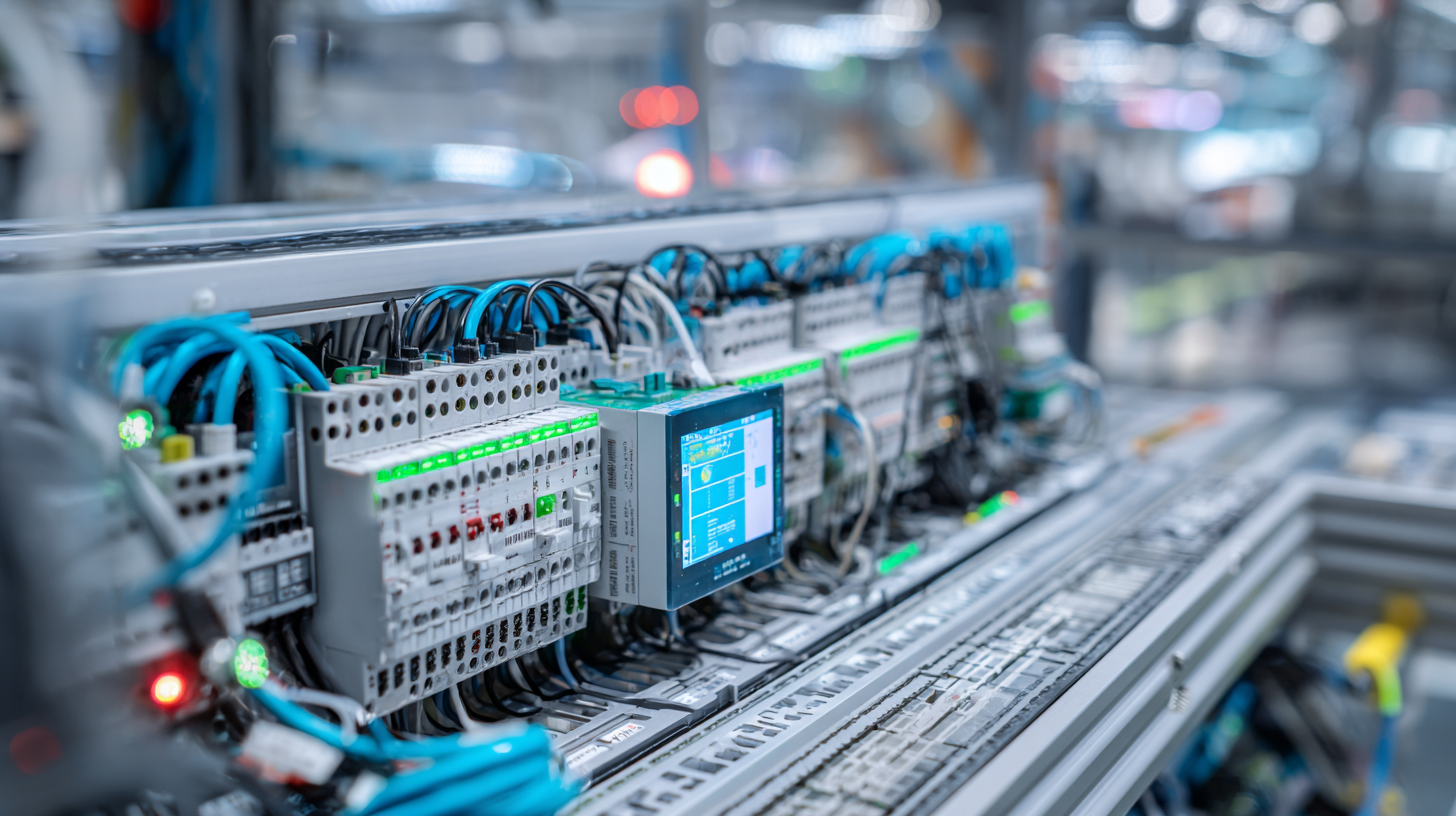 DEKASYS, for example, has been leading the charge with their remote I/O modules, staying on top of this shift. As industries look for ways to boost productivity and make everything run smoother, checking out different options in Digital Output Modules is going to be pretty essential. By leveraging new technologies and smart solutions, DEKASYS is dedicated to helping businesses reach their goals of more efficient, smarter production systems—and stay ahead in this fast-changing market world.
Challenges in Current Digital Output Module Technologies
As the world of automation keeps changing, digital output modules are running into some pretty big challenges that can really affect how well they work and how reliable they are. You know, a lot of current tech struggles with things like limited ways to connect with other systems, noticeable delays, and not enough security to keep everything safe. These issues actually make it harder to run industrial systems smoothly, which really highlights how we need fresh, smarter solutions in the digital output space.
At DEKASYS, we totally get these pain points, and we're all about pushing the envelope to improve digital output tech. We’re focused on creating advanced remote Io Modules that can tackle those tricky connection issues and boost response times in real time. Using the latest technology, our goal is to deliver smarter IO system solutions that help businesses hit their automation targets more effectively.
**Pro tip:** When you're looking to get the most out of your automation setups, think about choosing digital output modules that can grow with your needs. And don’t forget — pick ones that have solid security features to keep things safe from vulnerabilities. Keeping up with cutting-edge tech can really make a difference in how well your automation systems perform and how long they last.
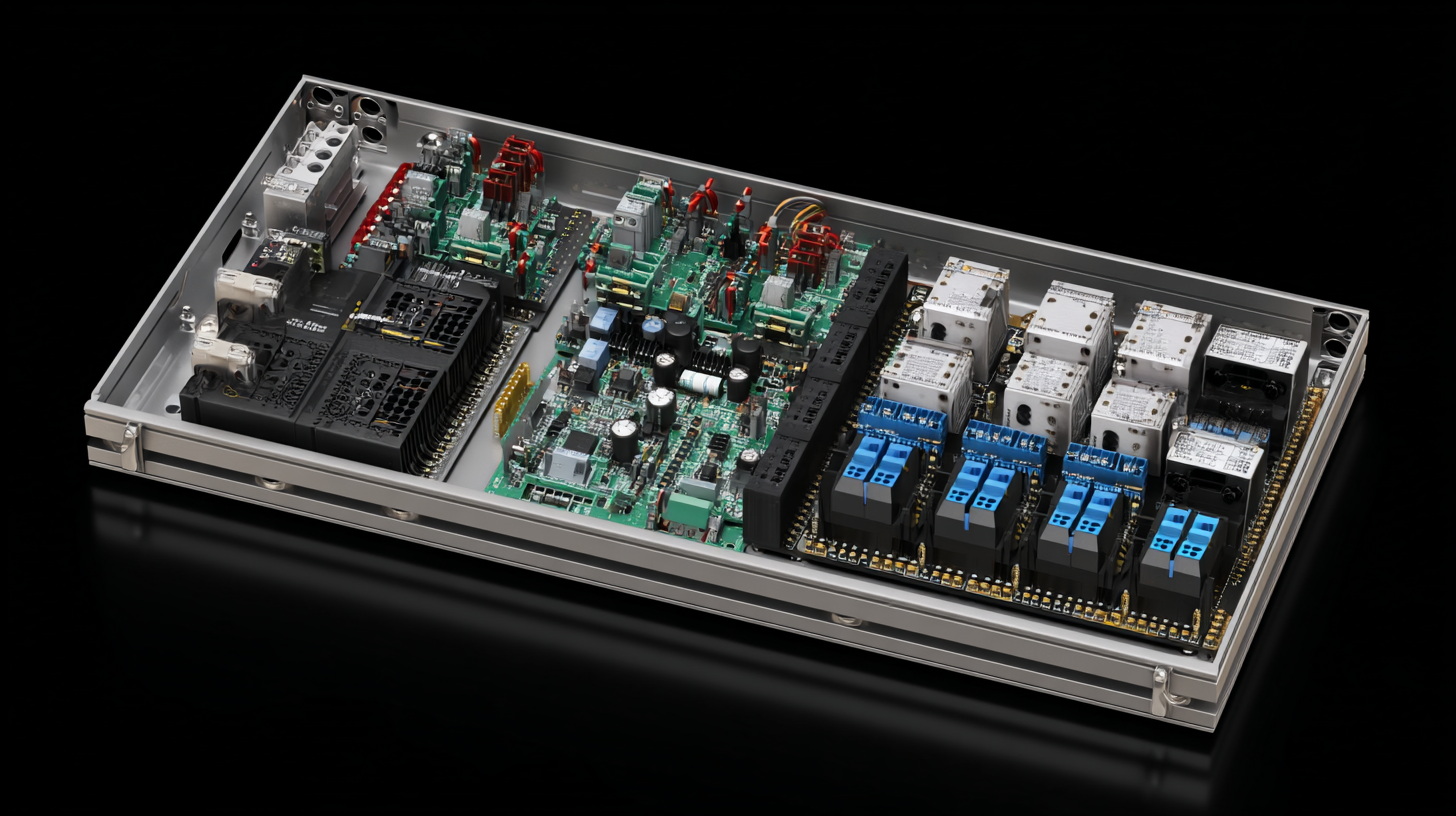
Emerging Trends in Automation Systems: A Shift Towards Versatility
The world of automation systems is really shifting—becoming much more versatile than before. This change is largely driven by a growing demand for solutions that can easily adapt to all kinds of industrial needs. Want a quick stat? According to a recent report from MarketsandMarkets, the global automation market is expected to hit around $297 billion by 2026, growing at roughly 9.2% annually since 2021. That’s pretty significant! Most of this boom is because industries are looking for smarter manufacturing and better process optimization, which means digital output modules that can smoothly work across different platforms and protocols are more important than ever.
One big trend we're seeing is the rise of modular automation systems. These setups are super flexible and scalable, making life a lot easier for engineers and companies alike. In fact, a study by IHSi shows that about a quarter of the automation market now is made up of these modular systems, and that number is only expected to grow. Why? Because industries are realizing they’re not just cost-effective—they also boost overall functionality. Plus, they simplify installation and cut down on downtime during upgrades or maintenance, which is exactly what everyone’s looking for when it comes to operational efficiency and sustainability. As businesses continue to adopt these versatile solutions, digital output modules are going to play a really key role in shaping the future of automation tech.
Evaluating the Impact of Alternative Materials in Module Design
In today’s fast-changing world of automation systems, exploring different materials for digital output modules has become more important than ever. Companies like DEKASYS are leading the charge, focusing on developing remote I/O modules that not only boost efficiency but also use innovative materials to improve their durability and performance. By trying out different materials in module designs, we can discover solutions that stand up better to environmental elements while also cutting down on production costs.
Here’s a practical tip for folks working in the industry: think about the whole lifecycle of the materials you choose for your modules. For example, choosing recyclable or sustainable options isn’t just about ticking boxes for regulations—it’s also a smart move that can attract eco-conscious clients. Plus, designing modules in a modular way makes it way easier to swap out parts and can help extend the product’s lifespan.
And don’t forget to keep an eye on emerging tech, like advanced composites or biodegradable materials. Being proactive about these innovations can really put manufacturers ahead of the game. This not only improves the overall functionality of automation systems but also aligns with the growing push for more eco-friendly manufacturing practices. As DEKASYS keeps pushing the boundaries, using alternative materials will be a key part of shaping what digital output modules in automation systems will look like down the line.
Integrating Smart Technology: Enhancing Digital Output Performance
As more and more industries jump on the automation bandwagon, it’s pretty clear that smart technology integrated into digital output modules is becoming a real game-changer. These modules, which are responsible for controlling everything from actuators to lights, are really starting to evolve to keep up with what modern automation systems need. By adding features like adaptive algorithms and real-time monitoring, manufacturers can seriously boost how well these digital outputs perform — which means things run smoother, faster, and with less money spent on operational costs.
But the cool thing is, smart tech in digital output modules isn’t just about control. With advanced data analytics, companies can actually get a deeper look into how their systems are doing. That means they can catch problems early and do maintenance before things break down, saving a lot of headaches and downtime. Plus, when these modules play nice with other smart systems, everything communicates seamlessly — making the entire automation setup more efficient. As industries look for more flexibility and room to grow, it’s clear that the future of digital output modules will be all about their ability to adapt, incorporate new tech, and make automation smarter and more responsive overall.
Exploring Alternatives: The Future of Digital Output Modules in Automation Systems - Integrating Smart Technology: Enhancing Digital Output Performance
| Technology Type | Compatibility | Performance Metrics | Energy Efficiency | Cost-Effectiveness |
| Standard Digital Outputs | Widespread Integration | Up to 10mA Output Current | 75% Efficiency | Moderate Costs |
| Smart Digital Modules | IoT Compatible | Up to 20mA Output Current | 85% Efficiency | Higher Initial Investment |
| Advanced Control Systems | Custom Integrations | Real-time Performance Tracking | 90% Efficiency | Cost-Effective in Long Run |
| Eco-Friendly Outputs | Limited Applications | Up to 15mA Output Current | 80% Efficiency | Premium Pricing |
Future-Proofing Automation: Strategies for Module Upgrade and Compatibility
In the fast-changing world of automation, keeping modules up-to-date and compatible is more important than ever. It’s basically the key to future-proofing industrial and building control systems. As more industries jump on the Industry 4.0 bandwagon, remote I/O modules have become pretty essential. Not only do they handle communication between field devices and control systems, but they also make it easier to bring in new tech smoothly. I came across a recent report by MarketsandMarkets that says the global market for remote I/O modules is expected to grow at an average rate of about 8.5% from 2021 to 2026. That just shows how much there's a growing need for smarter, more flexible automation solutions.
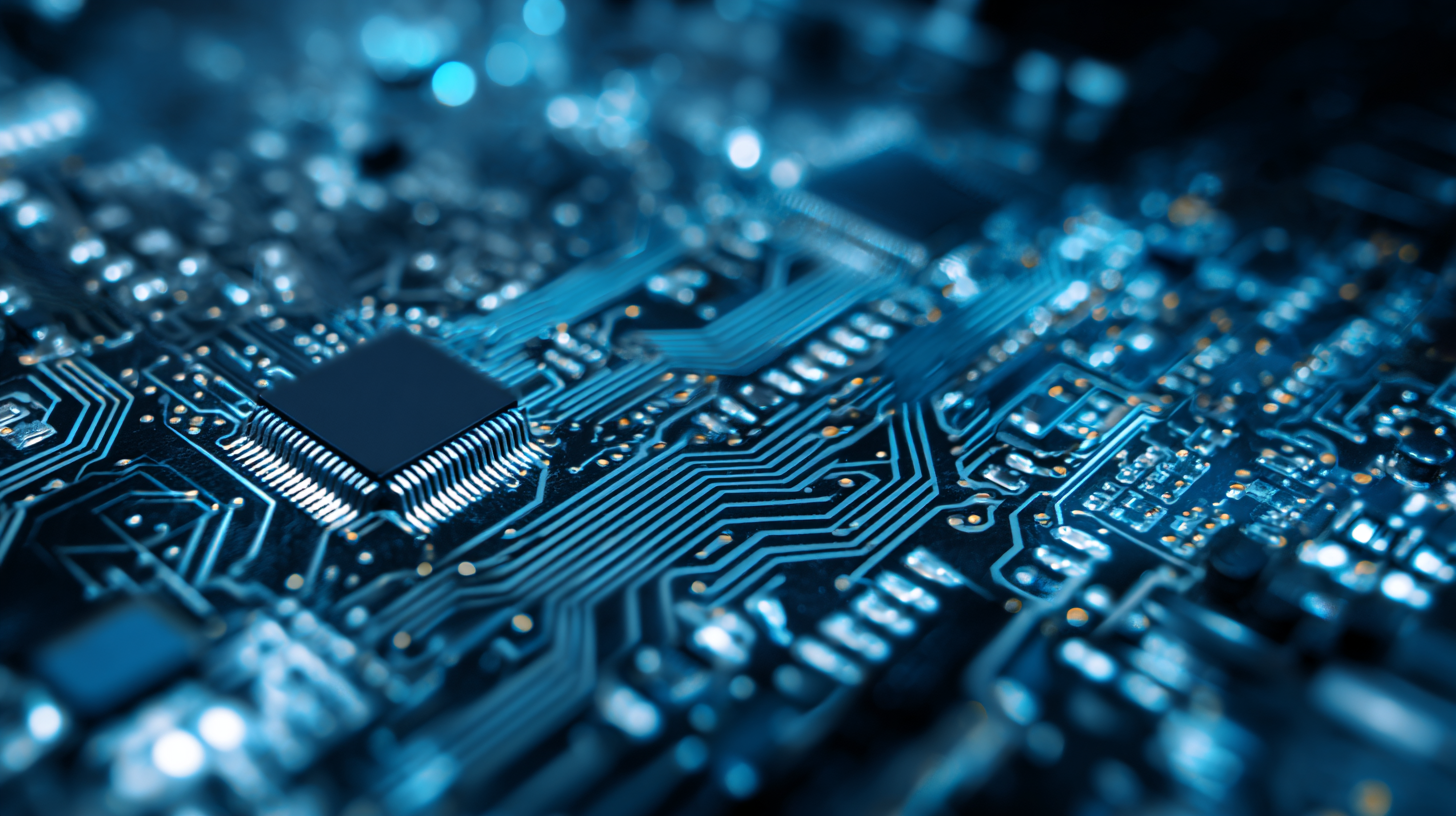
Now, speaking of companies leading the charge, DEKASYS is really making a name for itself with its focus on designing innovative remote I/O modules. They’re all about creating intelligent systems that help companies deal with things like compatibility and upgrades. In fact, a study from ARC Advisory Group mentioned that using modular designs can cut system downtime by up to 25%. So, if a company wants to stay ahead of the game, investing in future-proof upgrades and ensuring different system components work well together could give them a pretty solid edge—keeping things running smoothly and ready to embrace new tech as it comes.
Overall, it’s all about adapting and staying flexible in a rapidly changing landscape. That’s how businesses can keep pace and succeed in the long run.
Enhancing Industrial Automation: A Deep Dive into DEKASYS 8-point Remote IO Module SMIO-8DI-485
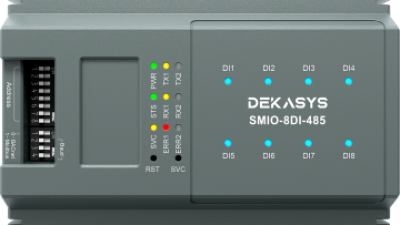
In the realm of industrial automation, the ability to seamlessly integrate various components is crucial to enhancing operational efficiency. One product that stands out in this regard is the DEKASYS 8-point Remote IO Module, specifically the SMIO-8DI-485. This versatile module features eight digital inputs (8DI) and is equipped with robust communication capabilities, supporting both BACnet and Modbus protocols. The seamless interoperability offered by SMIO-8DI-485 positions it as an essential component in diverse applications, ranging from building automation to environmental monitoring.
According to a report from MarketsandMarkets, the industrial automation market is projected to reach USD 296.70 billion by 2025, growing at a CAGR of 9.2% from 2019. As industries increasingly turn to automation solutions to enhance productivity, the role of reliable IO modules like the SMIO-8DI-485 becomes even more pronounced. The module facilitates the collection and management of critical digital and analog signals, ensuring that systems operate efficiently and reliably.
Moreover, the SMIO-8DI-485's capability to relay various digital signals effectively supports energy management systems, which are integral to optimizing industrial processes. In fact, a survey conducted by the International Energy Agency (IEA) demonstrates that implementing advanced automation techniques can lead to energy savings of up to 25% in industrial settings. By leveraging products designed for communication and control, such as the DEKASYS SMIO-8DI-485, industries can not only streamline operations but also contribute positively to sustainability efforts through improved energy performance.
FAQS
Evaluating alternative materials is important as it helps find solutions that offer better resistance to environmental factors while minimizing production costs.
Industry professionals can extend product lifespan by considering the lifecycle impact of materials and incorporating modular designs for easier replacement of parts.
Organizations should consider using recyclable or sustainable materials in module construction to meet regulatory demands and appeal to eco-conscious clients.
Smart technologies enhance the performance of digital output modules by incorporating features like adaptive algorithms, real-time monitoring, and advanced data analytics.
Advanced data analytics provides deeper insights into system performance, enabling proactive maintenance and minimizing downtime.
The future trend in digital output modules will be defined by their ability to adapt and integrate new technologies, focusing on flexibility and scalability in automation solutions.
The integration of alternative materials aligns manufacturing practices with environmentally responsible trends, enhancing both functionality and sustainability.
Interoperability enables seamless communication and coordination among various smart systems, enhancing the overall efficiency of the automation setup.
Modular designs simplify the replacement of parts, which can lead to extended product lifespans and reduced downtime in automation systems.
Conclusion
As automation systems keep evolving, the future of Digital Output Modules is pretty much shaped by a mix of new challenges and fresh trends. Right now, the technology isn't perfect—it's got some limitations that push us to look for more versatile solutions. That’s why we’re seeing more focus on using alternative materials that boost performance and make integration with smart tech easier. These advancements don’t just make Digital Output Modules work better; they also fit right into the bigger picture of smarter automation—whether it’s for industrial setups or building management.
If companies want to stay ahead of the game in this fast-changing world, they really need to think about future-proofing their automation systems. That might mean upgrading modules regularly and making sure everything plays nicely with the latest innovations. DEKASYS is actually leading the charge here, especially with their remote IO modules that help push toward smarter, more efficient production goals. By keeping an eye on these trends and challenges, we can get a better idea of how Digital Output Modules are key players in creating more efficient and intelligent automation solutions.