xzcChinese
Inquiry
Form loading...
0%

In today’s fast-changing world of industrial and building automation, picking the right Bacnet Hvac Controller is super important if you want things to run smoothly and efficiently. At DEKASYS, we get how crucial it is to have a solid, reliable HVAC control system that really fits your specific needs. We’re passionate about creating advanced remote IO modules, which makes us a bit of a trailblazer when it comes to offering smart IO system solutions for both industrial and building setups. In this guide, I’ll share five handy tips to help you pick the best Bacnet HVAC Controller—so you can make smarter decisions that boost your automation and keep your operations running like clockwork. Whether you’re upgrading your current system or starting fresh, this guide will give you some useful insights to help you navigate the tricky process of choosing the right controller for your needs.
5 Effective Tips for Choosing the Best Bacnet Hvac Controller for Your Needs

Understanding Bacnet HVAC Controllers: Key Features and Benefits

When you're trying to pick the best BACnet HVAC controller for your specific needs, it’s really important to get a good grasp of what these systems actually do and how they can benefit you. BACnet is pretty much everywhere these days, and it makes it so much easier to connect all sorts of building systems—like HVAC, lighting, and security—so they all work together smoothly. Thanks to BACnet/IP tech, building owners can optimize control and coordination between different systems, which means better energy management and a more comfortable environment overall.

One of the coolest parts about Bacnet Controllers is how flexible and scalable they are. Whether you're dealing with a small office or a massive commercial complex, these controllers can usually handle it. Plus, when you use solid BACnet interfaces, you can easily integrate lighting control systems too—something that’s super important if you’re aiming to make your building smarter, more energy-efficient, and easier to manage. Features like advanced automation give facility managers real-time insights and control, so they can react quickly to changing situations and keep everything running smoothly without any hassle.

Comparison of Key Features in Bacnet HVAC Controllers

This bar chart illustrates the importance rating of various key features to consider when selecting a Bacnet HVAC controller. Features like energy efficiency and integration capability are rated as highly important, while scalability is slightly less critical, but still an essential consideration in the decision-making process.

Identifying Your Specific HVAC Needs for Optimal Controller Selection

When you're choosing a BACnet HVAC controller, it’s really important to understand what your building actually needs. You know, this helps make sure everything runs smoothly and efficiently. I came across the 2021 "Building Automation Systems Market" report from MarketsandMarkets, and it highlighted how quickly smart buildings are growing. That means we really need to customize HVAC solutions to fit the specific demands of each place—because, honestly, no two buildings are exactly the same. For example, commercial spaces often need more advanced control systems to handle changing occupancy loads, while industrial sites might need something built tough enough to deal with pretty extreme conditions.

Figuring out what your HVAC system needs starts with looking at things like how big your building is, how people use it, and what your energy-saving goals are. There’s actually a recent ASHRAE study that says smart HVAC controls can cut energy costs by up to 30%. That’s a pretty big deal, right? Picking the right controller can really make a difference in your operational costs. Also, making sure it plays nicely with other systems—like lighting, security, and automation—is super important for creating a seamless, efficient setup. When you take the time to assess all this stuff, you can pick a BACnet controller that not only keeps your space comfortable but also helps you stay on top of energy savings and sustainability goals.

5 Effective Tips for Choosing the Best Bacnet Hvac Controller for Your Needs

Evaluating Compatibility with Existing Systems: A Crucial Step

When you're choosing a BACnet HVAC controller, one of the most important things to keep in mind is whether it plays nicely with your existing systems. Honestly, seamless integration isn’t just a bonus — it can really make a difference in how smoothly everything runs. I came across a recent industry report, and it turns out that around 70% of building managers say that issues with compatibility are a big headache when they’re trying to upgrade their HVAC setups. So, it’s super crucial to check if the new controller can communicate well with your legacy systems and other automation tools you've already got in place. Skipping this step can lead to costly downtime and a mess during the switch-over, which no one wants.

At DEKASYS, we really get how important compatibility is when it comes to building smart, efficient IO systems. That’s why we focus heavily on making advanced remote IO modules that work perfectly with a wide variety of HVAC components. Choosing DEKASYS products means you’re tapping into our expertise to boost system interoperability — which, in turn, helps cut down energy costs and keeps everything running smoothly. Since buildings account for about 40% of global energy use, picking a BACnet controller that fits well with your setup can actually help meet sustainability goals without cutting corners on performance.

5 Effective Tips for Choosing the Best Bacnet Hvac Controller for Your Needs

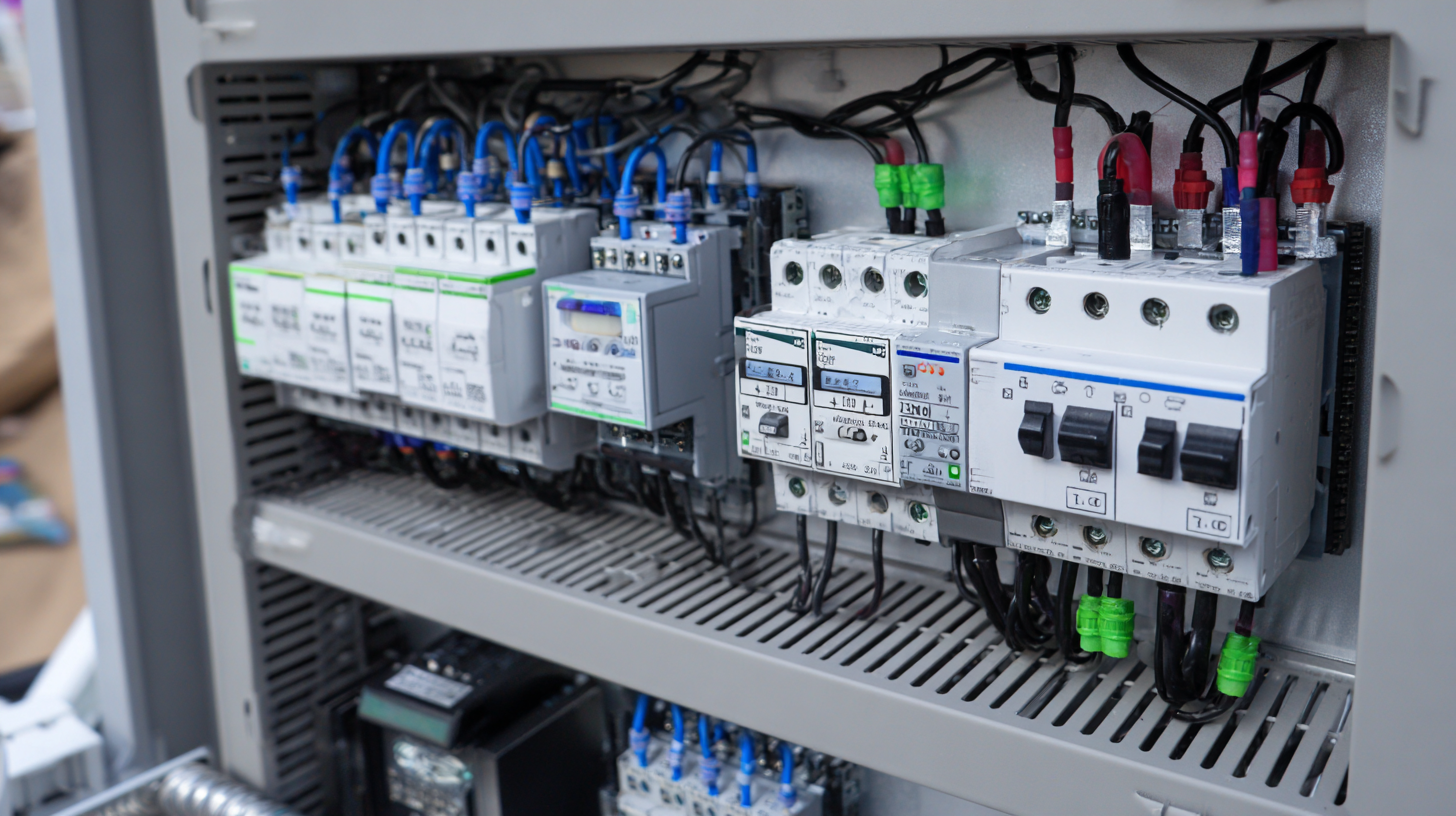
Dimension Details
Control Mode Support for both PID and On/Off control modes.
Input Compatibility Compatible with various sensor types: temperature, humidity, pressure.
Communication Protocol Supports BACnet, Modbus, and other common protocols.
User Interface Graphical display with touchscreen for easy navigation.
Installation Flexibility Designed for easy installation in existing HVAC systems.

Comparing Price and Performance: Finding the Best Value

When you're trying to pick out the best BACnet HVAC controller for your setup, it's really all about finding that sweet spot between price and performance. A good place to start is by setting your budget and thinking about the must-have features you actually need. This helps you cut down the options and focus on controllers that won't break the bank but still do what you need them to do.

One handy tip is to look for controllers that can grow with your system — stuff that’s flexible and scalable. Trust me, investing in a controller that can handle future changes saves you headaches and money in the long run; you won’t have to swap out hardware every time your setup evolves. Plus, don’t forget to check out how energy-efficient these controllers are. Sometimes, paying a bit more upfront for a high-efficiency model can really pay off with lower energy bills over time, which is pretty sweet.

And of course, it’s always a good idea to consider who’s making these controllers. A company with a solid reputation, good warranties, and excellent customer support just makes your life easier. Reading reviews or asking industry friends for recommendations can go a long way, too. All in all, if you keep these tips in mind, you’ll be better equipped to pick a BACnet HVAC controller that hits both your budget and your operational needs — no stress involved.

Exploring Additional Functionality and Future-Proofing Options

When you're choosing a BACnet HVAC controller, it’s pretty important to consider some extra features that can really boost your building’s efficiency and make things easier for users. Modern controllers often have cool stuff like built-in energy monitoring and analytics, which let you see how energy is being used and spot ways to save. Also, it’s worth looking for options that can connect with IoT devices and smart sensors—these can automatically tweak things based on real-time data, helping to keep the climate just right while wasting less energy.

Another thing to keep in mind is future-proofing. As building tech keeps evolving, picking a controller that’s compatible with future upgrades can save you a lot of hassle and money down the road. Go for controllers that can handle software updates and expansion—this way, you can keep up with new tech without needing to rip everything out and start over. Plus, choosing a model that sticks to the latest BACnet standards and works smoothly with various devices will give you a flexible, future-ready system that won’t become outdated just yet.

5 Effective Tips for Choosing the Best Bacnet Hvac Controller for Your Needs

FAQS

: What are the key factors to consider when identifying HV

C needs for selecting a BACnet controller?

How can tailored HVAC controller selection impact operational costs?

Proper HVAC control can lead to energy savings of up to 30%, significantly affecting operational costs.

Why is it important to compare price and performance when selecting an HVAC controller?

Comparing price and performance helps ensure that you are getting the best value for your investment while meeting your specific operational needs.

What features should you look for in a BACnet HVAC controller to ensure future adaptability?

Look for scalability and flexibility in the controller, allowing it to adapt to changing needs without requiring additional investments in new equipment.

How can energy efficiency ratings affect the decision-making process for HVAC controllers?

Higher energy efficiency ratings might incur higher initial costs, but they can lead to lower energy bills over time, making them a better long-term investment.

What role does the manufacturer's reputation play in selecting an HVAC controller?

A reliable manufacturer with a strong reputation and good customer support services, including solid warranties, provides additional peace of mind for your investment.

How can reviews and recommendations assist in choosing the right BACnet HVAC controller?

Reading reviews and seeking recommendations from industry professionals can guide you toward controllers that effectively balance price and performance.

What is the significance of tailoring HVAC solutions to unique operational demands?

Tailoring HVAC solutions ensures that the system can efficiently respond to the specific challenges and requirements of different environments, enhancing overall efficiency.

What impact does compatibility with other building systems have on BACnet controller selection?

Compatibility with other systems allows for a cohesive automation strategy, improving functionality and efficiency across the building's operational infrastructure.

Conclusion

When you're trying to pick the best Bacnet HVAC Controller for your specific needs, it really helps to get a good understanding of what features and benefits these controllers actually offer. Knowing what’s unique about your HVAC setup can make a big difference in choosing a controller that fits just right. Also, don’t forget to double-check if it’s compatible with what you already have in place—that way, you’ll avoid any headaches down the line with integration.

Cost is always a factor, right? So, it’s smart to compare both price and performance to find something that offers real bang for your buck. And if you’re thinking about the long haul, looking into extra features and future-proofing options can really pay off. That way, your Bacnet HVAC Controller isn’t just good for now but can also handle future upgrades in building automation.

At DEKASYS, we’re all about providing smart, efficient IO system solutions—that’s what helps you get the most out of your HVAC systems and move toward a more intelligent, well-optimized place.

Liam

Liam

Liam is a dedicated marketing professional at DEKASYS, where he plays a pivotal role in promoting the company's cutting-edge remote IO modules. With a deep understanding of the intricacies of industrial and building automation, Liam is committed to delivering efficient and intelligent IO system......
Previous Understanding the Distinct Features and Applications of the Best BMS System: A Comprehensive Guide