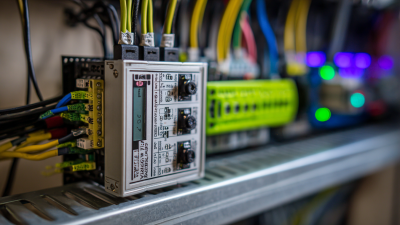
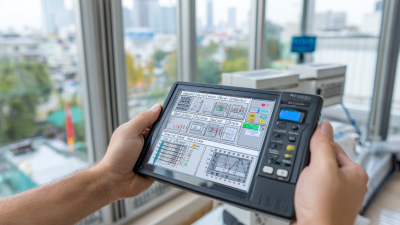
You know, in the fast-changing world of industrial and building automation, picking the right Input Output (IO) Board isn't just some technical detail—it's a real game-changer for making things run smoothly. I recently came across a report from MarketsandMarketsthat caught my eye; it says the global market for Io Modules is expected to jump from around$1.3 billion back in 2021 to about $2.1 billion by 2026. That's a solid growth rate of around 10.6% per year! No kidding, this really highlights just how crucial it is to have the latest and greatest IO systems to keep up with the rising automation demands in manufacturing and infrastructure.

Here’s the thing—companies like DEKASYSare doing some pretty amazing work with Remote Io modules. They’re super focused on creatingsmart, efficientsolutions that help businesses hit their production targets. Honestly, with the right Input Output Board in place, companies can really simplify their processes, get better data, and one way or another,spark some serious innovation happening in their operations.
Understanding Your Business Requirements for Input Output Boards
 Choosing the right input-output board for your business isn’t something to take lightly. It all starts with really understanding what your specific needs are. Different industries have their own quirks—like, a manufacturing plant might need super durable hardware and lightning-fast data transfer, while a tech startup probably cares more about flexibility and how easily it plays with other systems. So, before anything else, take a good look at what kinds of signals you’ll be handling—analog, digital, or maybe both—and how much data you expect to push through the board. Getting clarity here is key because it helps you figure out exactly what specs and features your perfect board should have.
Also, don’t forget about the future. As your business grows and tech changes, you’ll want something that can keep up. Choosing a modular, flexible board upfront can save you a lot of headaches and cash down the line—no need to keep replacing everything as you expand. And, gluing all these pieces together seamlessly is important too. Make sure the board plays nice with your current systems and software so everything just clicks into place naturally. Keep your main goals in mind, and you'll end up making a smart choice—investing in a board that really fits your long-term plans without any unnecessary hassle.
Key Features to Look for in an Input Output Board
When you're on the hunt for the right Input Output (I/O) board for your business, there are a few key features you really want to keep an eye on to make sure everything runs smoothly. First off, check if the I/O board is compatible with your existing hardware and software—nothing's worse than getting something that doesn’t quite fit and causes headaches. The perfect board should slot right into your setup without needing too much fuss or extra tweaks. Also, it’s a good idea to see if it works across different operating systems and programming environments—that way, you stay flexible and ready for anything.
Another thing to consider is the variety of connectivity options the board offers. Look for something with a good mix of ports—like USB, Ethernet, serial, and whatever else you might need down the line. That way, you won't be limited when adding new devices or tech. Oh, and don’t forget to check out its data transfer speeds and bandwidth—these will directly impact how smoothly your data moves around. Lastly, it’s super important to pick a board that’s built to last. You want something reliable and sturdy, especially if you're expecting it to handle tough operational conditions over the long haul. Trust me, investing a little time here pays off in the end.
10 Essential Tips for Choosing the Right Input Output Board for Your Business Needs
| Key Feature | Description | Importance Level |
| Compatibility | Ensure the I/O board is compatible with your existing systems. | High |
| Number of Ports | Look for a board with sufficient ports for all your devices. | Medium |
| Data Transfer Speed | Higher speeds reduce bottlenecks and improve efficiency. | High |
| Form Factor | Choose a size that fits your hardware setup without space issues. | Medium |
| Power Requirements | Ensure the power consumption is manageable for your setup. | Medium |
| Ease of Installation | Look for boards that are easy to install and configure. | High |
| Driver Support | Ensure that the board has good driver support for your OS. | High |
| Scalability | Choose a board that can grow with your business needs. | Medium |
| Cost Effectiveness | Evaluate if the cost aligns with the features offered. | High |
| Customer Support | Check if good support is available in case you encounter issues. | Medium |
Compatibility Considerations for Various Business Applications
When selecting the right input-output (I/O) board for your business needs, compatibility is a paramount consideration that can significantly influence both performance and efficiency. Different industries and applications often require unique specifications, so it's essential to examine the current infrastructure and future scalability of your systems. For instance, an I/O board designed for industrial automation may differ greatly from one suited for data acquisition in a laboratory setting, necessitating a thorough assessment of connectors, communication protocols, and supported voltage levels.
Moreover, businesses must also consider software compatibility when choosing an I/O board. Ensure that the board can seamlessly integrate with the operating systems and software platforms in use, whether it be Windows, Linux, or specialized custom software. This would not only streamline operations but also reduce potential issues that may arise from incompatible interfaces. In addition, it’s wise to evaluate the availability of driver support and updates from the manufacturer, as ongoing software compatibility can be crucial for maintaining operational effectiveness in the long run.
Assessing Performance Metrics: Speed, Efficiency, and Reliability
When you're picking out the right input-output board for your business, it’s super important to think about how it performs—things like speed, efficiency, and reliability. The speed part really matters because it affects how quickly data gets processed and moved around, which directly impacts how smoothly your operations run. A high-speed board can make sure transactions go through fast, giving your productivity a real boost. It’s worth looking for boards that use the latest tech to handle data quickly, since that can cut down on delays and keep workflows running smoothly.
Then there's efficiency—this is all about how well the board does its job without hogging resources. An efficient I/O board can handle several tasks at once without slowing everything else down, which is pretty crucial when things get busy. So, check out models that have features like built-in buffering or a simple, streamlined design—they can really help keep things running without a hitch.
And finally, reliability is a biggie. Downtime costs money and causes headaches, so you want a board that’s proven to be dependable. Look for options that come with good warranties and positive reviews from other users. It’s also smart to pick one with strong error-handling features, just in case something unexpected happens. If you take a close look at speed, efficiency, and reliability, you’ll be in a much better position to choose the right board that fits your business needs—and that’ll keep things running smoothly down the line.
Performance Metrics of Input Output Boards
This chart represents the performance metrics of input-output boards, focusing on three crucial dimensions: Speed, Efficiency, and Reliability. These metrics are essential for evaluating and selecting the right board for specific business requirements.
Budgeting for Input Output Boards: Cost vs. Value Analysis
When you're figuring out the right Input Output Board for your business, it's super important to find that sweet spot between how much it costs and the value you're getting. I was reading this recent industry report from MarketsandMarkets, and it estimates that the global market for I/O boards will hit around $4.5 billion by 2025. That’s a ton of demand, and honestly, businesses need to be smart about how they navigate this space. To budget wisely, start by really digging into what you actually need versus what it might cost. Sure, cheaper options might save you some cash upfront, but investing in a good-quality board can pay off big time in the long run thanks to better reliability and efficiency. That can save you headaches and money down the line, especially when it comes to downtime or swapping out parts too often.
Here’s a pro tip — think about how long your I/O board is going to last. Putting money into a higher-quality board can mean years of smooth operation, so you won’t have to keep replacing stuff all the time.
And don’t forget — it’s not just about what you pay upfront. You really want to look at the total cost of ownership. Gartner has pointed out that a lot of companies tend to overlook hidden costs like maintenance and operational hiccups, which can add up and end up costing more than the initial purchase. When you weigh these factors, it’ll help you align your budget with what your business truly needs, making sure you're picking a board that actually fits your goals.
One last thing — think about the potential ROI. A good I/O board can boost your workflow, cut down on delays, and improve how your data is handled, all of which can seriously give your bottom line a positive boost.
Future-Proofing Your Investment: Scalability and Upgrade Options
When you're picking out the right input-output board for your business, thinking about the future should really be at the top of your list. You want to consider not just what you need right now, but also how easily it can grow with you down the line. The tech world moves fast, and having systems that can handle growth without constantly needing upgrades is a total game-changer. Getting a good grip on the scalability of your input-output options helps you build a flexible setup that supports automation today and keeps up with whatever’s coming next.
At the same time, as industries like e-commerce logistics and artificial intelligence keep pushing forward, companies are realizing how crucial it is to invest in solutions that can scale. Think about how blockchain tech like Ethereum is shaking up finance—similarly, smart input-output boards can really help streamline stuff in industrial and building automation. By making sure your tech investments are adaptable and ready for the future, you’re essentially bridging the gap between current hurdles and future opportunities. It’s all about setting your business up for long-term success, you know?
FAQS
: The key performance metrics to consider are speed, efficiency, and reliability. Speed affects data processing and transfer rates, efficiency concerns resource consumption, and reliability ensures consistent performance without downtime.
Speed determines how quickly data can be processed and transferred. A high-speed board enhances productivity by executing transactions promptly, which is essential for smooth operations.
Look for features like built-in buffering and streamlined architecture that allow the board to handle multiple processes simultaneously without overloading the system.
Reliability is critical because any downtime can incur significant costs. It's important to choose boards with solid warranties and positive user reviews, as well as robust error-handling capabilities.
Businesses can future-proof their investment by considering scalability and upgrade options, ensuring that their technology can adapt to evolving industry demands and support future growth.
Scalability allows companies to implement a flexible infrastructure that can efficiently support automation processes and adapt to future technological advancements, ensuring continued relevance and operational efficiency.
Modern input-output boards can streamline operations in various sectors, including e-commerce logistics and artificial intelligence, by providing advanced capabilities to manage data flow and support automated processes.
Considering both current and future requirements ensures that the investment remains valuable as technology evolves, allowing businesses to avoid costly replacements and adapt to new challenges over time.