xzcChinese
Inquiry
Form loading...
0%

You know, in the past few years, we've really seen a boom in the demand for Ethernet Ip Remote Io solutions. It's like industries are really trying to keep up with how fast automation technologies are changing! A recent report by MarketsandMarkets even predicts that the global Industrial IoT market is gonna jump from about $77.3 billion in 2021 to 110.6 billion by 2026. That just shows how vital these smart IO systems are for boosting productivity, right?
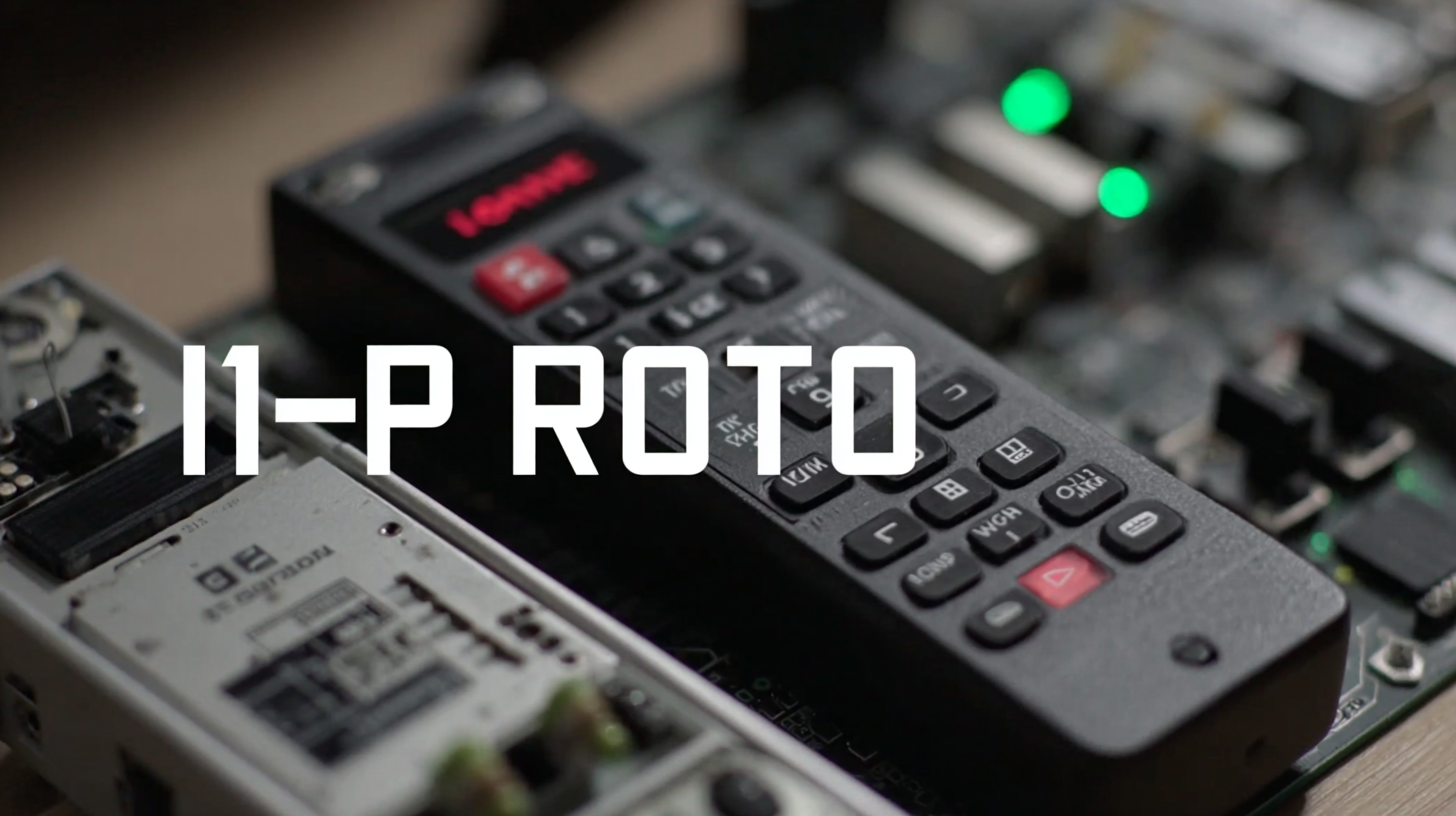
Exploring Innovative Alternatives to Best Ethernet Ip Remote Io Solutions

DEKASYS is really killing it in this area. They're leading the charge with their remote Io Modules and coming up with some pretty innovative solutions for industrial and building automation. As we start looking into different ways to approach Ethernet IP Remote IO, it’s super important to keep an eye on the latest trends and technologies shaping the industry moving into2025. By grasping these changes, companies can really take advantage of these solutions to boost performance and stay ahead in a world that’s getting more connected every day.

Emerging Trends in Ethernet IP Remote Io Technologies

You know, the world of Ethernet IP remote I/O technologies is changing really fast these days. With industries ramping up their automation and craving real-time data processing, it’s no wonder! A recent report from MarketsandMarkets predicts that the global Ethernet I/O market is going to skyrocket from $2.1 billion in 2023 to $3.9 billion by 2028—that’s a whopping growth rate of 13.2%! This surge really shows how we're moving towards smarter, more connected systems. These advancements are making it easier to integrate industrial devices, which in turn boosts efficiency everywhere.

One cool trend we’re seeing is how Ethernet IP remote I/O systems are being hooked up with IoT platforms. This connection offers way more scalability and flexibility when designing networks. Big names like Siemens and Rockwell Automation are leading the charge here, crafting solutions that make the most of cloud connectivity and advanced analytics for smarter decision-making. And let’s not forget about Edge Computing—it’s a game changer, allowing data to be processed way closer to its source. This reduces latency and conserves bandwidth, which is super handy in fast-paced industrial settings. As companies continue to tap into the power of real-time data, these innovative technologies are set to shake things up across a bunch of different sectors.

Comparative Analysis of Traditional vs. Innovative Ethernet IP Solutions

These days, with everything moving at lightning speed in the industrial world, businesses are really stuck on whether to go with traditional Ethernet IP remote I/O solutions or try out the newer, innovative options. Now, don’t get me wrong—traditional Ethernet IP solutions are pretty reliable. But they can be a pain when it comes to flexibility and speed. There’s this report from MarketsandMarkets that I came across, and it says the global market for Ethernet-based industrial automation is expected to hit $24.1 billion by 2025! That really shows how much people are clamoring for better, more advanced solutions. It’s clear that there’s a shift underway, moving towards tech that can handle real-time data processing and allow for remote management—stuff that traditional systems just can’t keep up with.

On the flip side, we’ve got some innovative Ethernet IP solutions popping up that are looking pretty strong. These new options tend to take advantage of cool stuff like cloud computing, IoT integration, and advanced analytics to really boost performance. A recent study by ResearchAndMarkets even revealed that 70% of manufacturers are planning to roll out IoT devices by 2024. That’s a huge jump! It really highlights the need for Ethernet IP solutions that can smoothly mesh with these new technologies, offering better interoperability and cutting down latency. As industries keep changing and evolving, it’s gonna be super important for folks to grasp the differences between these two approaches if they want to unlock the full potential of Ethernet IP technology.

Key Benefits of Adopting Alternative Ethernet IP Remote Io Options

You know, in today's fast-paced world of industrial automation, Ethernet IP remote I/O solutions have really been the go-to for smooth communication. But with the tech scene constantly changing, a lot of companies are diving into new, innovative options that promise even better performance and flexibility. Honestly, these alternatives can bring some serious perks that could boost how efficiently things run.

One big thing to consider with these newer Ethernet IP remote I/O solutions is scalability. Unlike the older systems, many of these fresh options are built to grow along with your business needs. This means it’s much easier to add more I/O modules when you need them. Not only does that help lower those initial costs, but it also keeps your setup relevant as your operational demands shift. Plus, many of these modern solutions come packed with cool features like wireless connectivity and tighter cybersecurity, which are super important for keeping your critical data safe and minimizing downtime.

And let’s not forget about how user-friendly these alternatives can be! A lot of them have interfaces that are easy to navigate and simple setup processes, which means less time and fewer resources spent on getting things up and running. This not only speeds up your time to market but also lets your team focus on what really matters, instead of getting tangled up in complicated configurations. As businesses keep chasing efficiency and reliability, these alternative Ethernet IP remote I/O solutions are definitely catching more and more eyes, giving companies just the right resources to really shine in today’s competitive landscape.

Exploring Innovative Alternatives to Best Ethernet Ip Remote Io Solutions

Case Studies: Successful Implementations of Advanced Ethernet IP Solutions

Hey there! If you're looking at industrial automation, you'll definitely want to check out how advanced Ethernet/IP solutions are shaking things up. They've really made a difference when it comes to boosting efficiency and improving connectivity in operations. There are some pretty cool case studies out there showing just how companies are tapping into these cutting-edge Ethernet/IP technologies to streamline their processes. For example, a recent report from ARC Advisory Group pointed out that companies implementing advanced Ethernet/IP have seen network latency drop by around 30%, along with better data throughput. This kind of boost in efficiency means manufacturers can react more quickly to whatever the market throws their way.

Now, here's a little tip: If you're thinking about upgrading to Ethernet/IP, it’s super important to take a good look at your current setup. You want to pinpoint any compatibility or integration challenges ahead of time because getting new tech to play nice with old systems can really make or break the success of your deployment and your ROI.

Speaking of success, there’s this standout case involving a big automotive manufacturer that jumped on the Ethernet/IP bandwagon for real-time monitoring of their production lines. Thanks to their implementation, they've pumped up their overall equipment effectiveness (OEE) by 20% and cut downtime by 15%. That's a pretty significant win, showing just how great Ethernet/IP solutions can be for fine-tuning factory automation.

And a quick tip for you: Make sure to get all your stakeholders involved early in the planning stage. Aligning the goals of your Ethernet/IP upgrade with your overall business objectives can really help build support and engagement throughout the transition period.

Future Directions: The Next Generation of Ethernet IP Remote Io Innovations

You know, as industries keep evolving, the need for top-notch Ethernet IP Remote I/O solutions is really picking up speed. Looking ahead, it’s all about coming up with innovations that boost performance and make things easier to implement. One of the biggest trends right now is the move towards open standards, which is super cool because it allows developers to whip up solutions that are more flexible and definitely more compatible across different platforms. This change not only brings various platforms together but also speeds up innovation, so we can get cutting-edge technologies out there faster than ever.

Just take a look at the recent advancements in distributed I/O platforms—they really show where we’re headed. These new designs are all about harnessing increased processing power and making the software more affordable. The latest breakthroughs make system integration a breeze, which means businesses of all sizes can step into remote I/O without breaking a sweat. All these tech trends coming together are setting the stage for the next wave of Ethernet IP solutions. They’re all about being efficient and scalable, which is crucial as industries strive to keep up with the ever-changing landscape and still hit those operational excellence targets.

Exploring Innovative Alternatives to Best Ethernet Ip Remote Io Solutions

FAQS

: What are the benefits of adopting advanced Ethernet/IP solutions in industrial automation?

: Organizations that adopt advanced Ethernet/IP solutions can experience up to a 30% reduction in network latency and improved data throughput, leading to more responsive manufacturing environments.

How did an automotive manufacturer benefit from implementing Ethernet/IP?

A leading automotive manufacturer that adopted Ethernet/IP achieved a 20% increase in overall equipment effectiveness (OEE) and reduced downtime by 15%, showcasing the optimization capabilities of Ethernet/IP solutions.

What should companies assess before upgrading to Ethernet/IP?

It’s important for companies to thoroughly assess their existing infrastructure to identify compatibility and integration challenges when considering an upgrade to Ethernet/IP.

Why is collaboration with stakeholders important during Ethernet/IP implementation planning?

Collaborating with stakeholders early in the planning phase helps ensure that the goals of the Ethernet/IP implementation align with business objectives, driving engagement and support throughout the transition process.

What is the future direction for Ethernet IP Remote I/O innovations?

The future of Ethernet IP Remote I/O solutions lies in innovations that enhance performance and simplify implementation, with a focus on open standards for greater interoperability and flexibility.

How do recent advancements in distributed I/O platforms impact system integration?

Recent advancements in distributed I/O platforms leverage increased processing power and cost-effective software options, providing a streamlined approach to system integration and making remote I/O deployment more accessible.

What makes open standards significant in the evolution of Ethernet IP solutions?

Open standards foster collaboration among various platforms and accelerate the innovation cycle, enabling faster deployment of cutting-edge technologies.

How do Ethernet IP solutions contribute to operational excellence?

By prioritizing efficiency and scalability, Ethernet IP solutions help industries adapt to rapidly changing landscapes while maintaining operational excellence.

What impact does improved data throughput from Ethernet/IP have on manufacturing?

Improved data throughput allows manufacturers to adapt more swiftly to market demands, enhancing overall operational efficiency.

What is the role of cost-effective software options in Ethernet IP technologies?

Cost-effective software options allow for easier implementation and integration of Ethernet IP technologies, making them more accessible to businesses of all sizes.


Isabella

Isabella

Isabella is a dedicated marketing professional at DEKASYS, a company specializing in the development and production of remote IO modules. With a deep understanding of the company’s innovative products and a passion for industrial and building automation, she plays a crucial role in positioning......
Previous Understanding the Distinct Features and Applications of the Best BMS System: A Comprehensive Guide