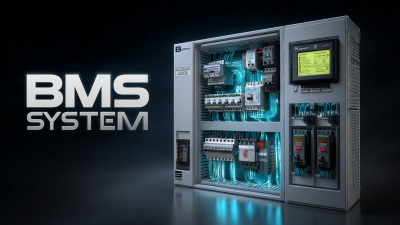
You know, in today’s fast-changing industrial world, it's hard to overstate just how important efficient Bms Energy Management is. I mean, research shows that by putting effective energy management systems in place, companies can actually cut their energy costs by as much as 30% and really boost their operational efficiency. With more businesses leaning towards sustainability and saving money, finding reliable suppliers for BMS energy management solutions is becoming a must. One company that’s really stepping up to the plate is DEKASYS. They focus on developing and manufacturing remote Io Modules and are leading the way in providing smart IO systems for both industrial and building automation.

By teaming up with dependable suppliers, businesses can tap into advanced tech that helps streamline operations and hit their energy management targets. In this blog post, we’re going to dive into some top strategies for tracking down the best suppliers in the BMS energy management arena. This way, companies can confidently navigate this critical part of their operations.
Identifying Key Industries Benefiting from BMS Energy Management Solutions
So, when we talk about figuring out which industries could really take advantage of Building Management Systems (BMS) for their energy management needs, there are quite a few that come to mind. Smart buildings, healthcare facilities, and various industrial sectors are increasingly turning to BMS technology. Why? Because it helps them make the most of their energy use and boosts their operational efficiency. These systems are a game changer for organizations—they let you keep an eye on energy consumption and take control, which can lead to some pretty significant cost savings and a smaller environmental footprint.
Here’s a tip: If you’re thinking about rolling out BMS solutions in your company, it’s super important to first evaluate what your specific energy management needs are. Look for suppliers that offer solutions tailored just for you. That way, you're more likely to see smooth integration and better overall performance.
And let’s not forget the cool stuff! With advanced technologies like artificial intelligence being integrated into Bms Systems, you get real-time data analysis. This is really useful for industries that need to stay on their toes when it comes to energy demand, like manufacturing—where energy efficiency can really impact production costs.
Another tip: Teaming up with suppliers who provide solid support and training on their BMS solutions can make a world of difference. It’s all about empowering your team to fully utilize the system’s capabilities to boost your energy management strategies.
Analyzing the Impact of Quality Suppliers on BMS Energy Management Efficiency
When it comes to Building Management Systems (BMS), picking the right suppliers really makes a difference in how well we manage energy. You know, recent reports from the industry show that organizations using high-quality BMS solutions can save up to 30% on energy costs compared to those stuck with lesser systems. That’s a huge drop in energy usage! Not only does it cut down on operational expenses, but it also helps with our sustainability goals, making buildings a lot more eco-friendly.

So, here’s a tip: when you’re on the hunt for BMS suppliers, definitely check out their history with energy-efficient solutions. It’s smart to look for suppliers that can share case studies or customer testimonials showing real savings from their setups.
Plus, let's not forget about the cool stuff! The best suppliers out there are integrating advanced analytics and IoT features, which really boosts our ability to keep an eye on energy usage and fine-tune it effectively. A report by the International Energy Agency noted that adopting these cutting-edge BMS technologies can improve energy management efficiency by almost 25%. That’s crucial for any organization looking to keep up with the fast-changing energy market and new regulations.
And here’s another tip: don’t hesitate to chat with potential suppliers about their tech options. It’s super important to make sure their offerings are in line with the latest trends in BMS efficiency and sustainability practices. Working together can lead to some innovative solutions tailored just for you!
Common Challenges in Sourcing Reliable BMS Energy Management Products
Finding reliable Building Management Systems (BMS) energy management products can definitely be a bit of a headache. I mean, just look at how many suppliers there are out there—it's overwhelming! This really puts buyers in a tough spot, leading to confusion and, let's be honest, decision paralysis. Companies really need to roll up their sleeves and dig through all those options to find suppliers that not only offer high-quality products but also back it up with solid customer support. It can feel like quite the chore sometimes, and you might even have to go through a bit of trial and error, which, let's face it, can eat up both time and money.
And then there’s the whole issue of product standards and certifications. It's like a minefield out there! Different suppliers roll out products that comply with different levels of industry standards, which makes it tricky for procurement teams to really know what’s actually reliable. Plus, with technology changing so fast in the energy management field, suppliers need to keep up with trends and roll out the latest innovations. That's yet another layer of complexity buyers have to deal with—making sure they're not just meeting their current needs but are also choosing products that can adapt to future changes in energy management. It’s a tough balancing act!
Evaluating the Cost-Benefit Ratio of Implementing BMS Energy Solutions
You know, investing in Building Management Systems (BMS) for energy management really makes sense for a lot of organizations out there. A report from the International Energy Agency notes that these systems can actually trim down energy use by a solid 10 to 30%. That’s not just a slight bump in savings; it can really cut operational costs! If companies take the time to weigh the cost against the benefits of BMS energy solutions, they can get a clearer picture of how much they could save on their energy bills and maintenance in the long run.
And get this: a case study from the U.S. Department of Energy found that buildings with these fancy advanced BMS technologies saw a return on investment (ROI) of up to 40% within just the first three years! Sure, the initial setup might cost a pretty penny, but the savings on energy and the efficiency gains can really make a difference to the bottom line. So, for businesses looking to step up their energy management game, it’s definitely worth doing some homework on potential suppliers. They should focus on finding solutions that can be tailored to their specific energy use patterns and sustainability goals. It’s all about getting what works for them, right?
Evaluating the Cost-Benefit Ratio of Implementing BMS Energy Solutions
Case Studies: Successful BMS Energy Management Applications Across Various Sectors
You know, in our world today, where we're all becoming more aware of how much energy we use, Building Management Systems (BMS) are super important for managing energy effectively in all sorts of industries. If you look at some real-world examples, you'll see how different sectors have started using advanced BMS energy management tools to save money and be more sustainable.
Take, for example, a big commercial office building right in the heart of a city. They decided to implement a BMS that combined real-time energy tracking with smart automated lighting and HVAC controls. The result? A whopping
25% drop in their energy bills over just two years, plus their tenants ended up a lot more comfortable too. Pretty neat, right?
Another amazing story comes from the healthcare field. One hospital managed to roll out a BMS that focused on being energy-efficient but also prioritized patient care. By fine-tuning how their medical equipment ran and managing the environmental controls, they not only boosted their energy efficiency but also stuck to all those important health rules. Thanks to this system, they
slashed their energy consumption by 30%, which saved them a ton of money they could then put back into bettering patient services.
These stories really show the wide-ranging benefits of BMS technology in different sectors. It's clear that with the right tools, organizations can make a significant impact on both energy efficiency and how well they operate. As more and more companies aim for
greener practices, the successes of these BMS projects can be great examples for others looking to jump on the bandwagon.