 Hey there! So, when it comes to industrial automation, picking the right Bas System is really key if you want to boost your operational efficiency and ramp up productivity. A recent market report shows that the global building automation system market is on the rise, with a projected growth rate of about 10.3% each year from 2021 to 2028. Companies like DEKASYSare leading the charge here, focusing on creating and producing these remote Io Modules. They’re all about offering smart and efficient IO system solutions that help businesses hit their automation goals, whether that's in the industrial sector or for building management. As companies look to streamline their operations and make their production lines smarter, it’s super important for decision-makers to really know the ins and outs of BAS systems. This guide will dive into what you need to consider when choosing the best BAS system that fits your specific needs. Trust me, it’ll be worth your while!
Factors to Consider When Selecting a BAS System for Industrial Applications
Choosing a Building Automation System (BAS) for your industrial space? There are a few important things to keep in mind to make sure you get the best performance and efficiency out of it. First up, take a good look at what your facility really needs—think energy management, security, and how your operations run day-to-day. Getting a solid grip on these needs will really help steer you towards a system that fits your goals just right.
Pro tip: Have a good chat with your team and dig into your building’s setup. This way, you can pinpoint the must-have features for your BAS and avoid splurging on stuff you don’t really need.
Also, don’t forget about scalability! The industrial automation market is booming, so your system should be ready to grow along with your needs. A scalable solution isn’t just about handling your current setup; it can really open up flexibility for the future.
Tip: Keep an eye out for systems that offer modular components or even cloud-based options. These make upgrades and maintenance a breeze, plus they’ll help you stay ahead of the tech curve.
Understanding BAS Technology: Key Features and Functions in Industrial Settings
You know, Building Automation Systems, or BAS for short, are super important when it comes to making industrial environments run smoother, boosting operations, and saving on energy costs. If you're thinking about picking the right system for your needs, it's really helpful to get a grasp of the main features and functions that BAS technology offers. Some key things to keep an eye on are centralized control, real-time monitoring, and automation capabilities. These elements work together to make it easier to manage HVAC, lighting, security, and other essential parts of your facilities without a hitch.
And here’s the cool part: BAS systems can integrate with various subsystems really well, which means they can communicate effectively and work together in harmony. Plus, things like predictive maintenance and data analytics can give facility managers useful insights that help them tackle problems before they escalate. This proactive approach can really cut down on downtime and maintenance expenses. By tapping into these advanced features, industrial operators can create safer, more efficient workspaces while getting the most out of their resources. So, understanding these key points can really guide you in picking a system that not only meets your operational needs but also supports your sustainability goals.
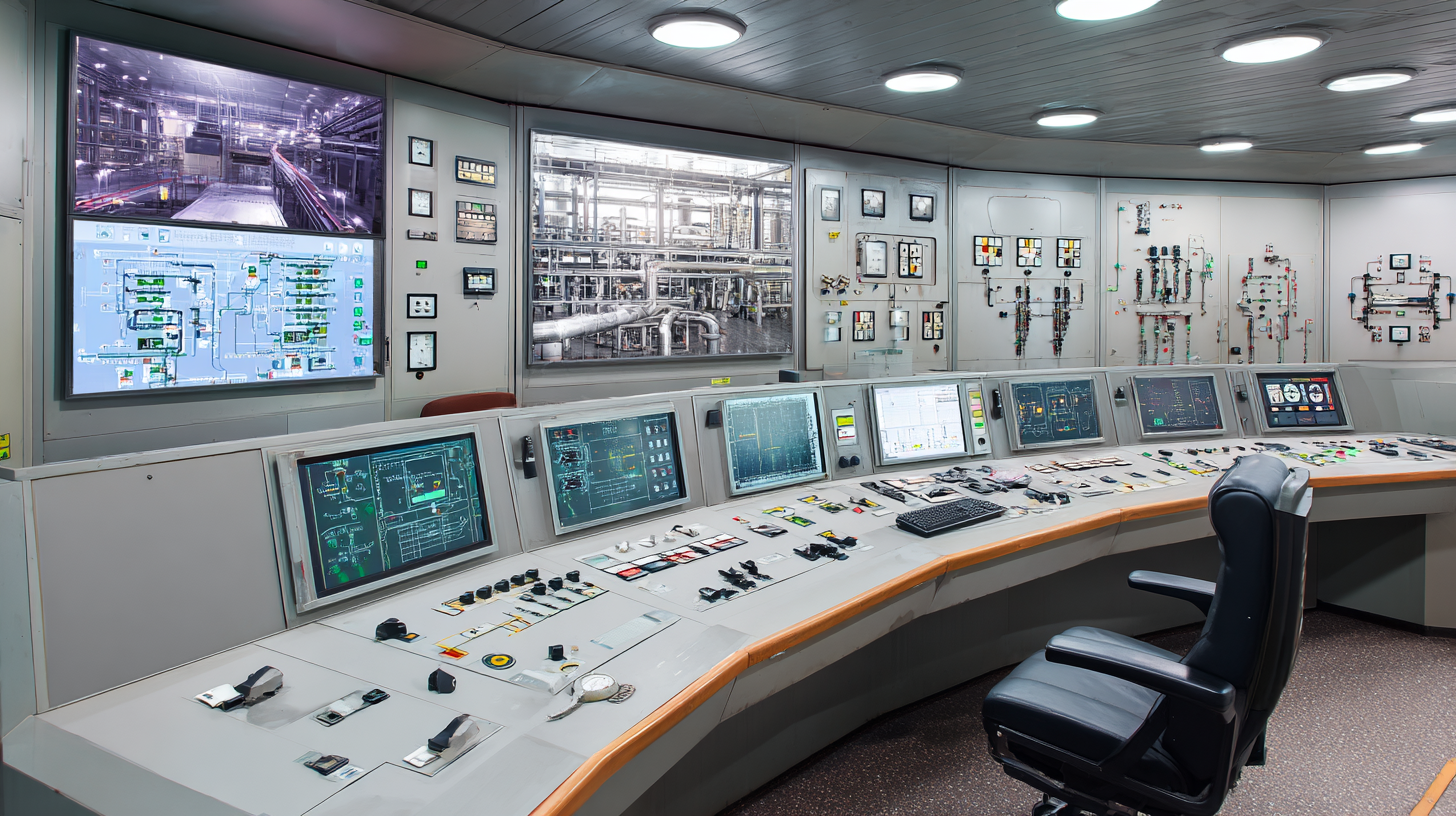
Comparative Analysis of Top BAS Systems in the Market: Benefits and Limitations
 So, when you're on the hunt for a Building Automation System (BAS) for your industrial setup, it’s super important to really get a grip on what the top options out there can offer and what their limitations might be. For instance, Honeywell’s BAS is pretty impressive—it's got solid energy management features that can potentially save facilities up to 20% on energy costs. On the flip side, there's Johnson Controls' Metasys system, which is known for its awesome integration capabilities. It allows for smooth connections between HVAC, lighting, and security systems, but, hey, just a heads-up: it might hit your wallet a bit harder upfront.
When you’re diving into the world of BAS options, don't forget to think about how scalable the system is. You want something that can grow along with your industrial needs; that way, you can save some bucks in the long run! And let’s not overlook the user interface—having an intuitive dashboard can really help cut down on how long your staff needs to train. A recent market analysis pointed out that companies focusing on user-friendly systems see a 30% boost in operational efficiency. How cool is that?
Oh, and make sure you check out the vendor’s support and training options. Good post-installation support is a lifesaver when it comes to downtime—no one likes that! Industry data shows that organizations that work with knowledgeable support teams can see maintenance costs drop by about 25%. So, by weighing all these factors carefully, you’ll be much better positioned to choose the right BAS that fits your industrial needs.
Cost-Benefit Analysis: Investment vs. Long-Term Savings with Advanced BAS Solutions
So, you’re thinking about a Building Automation System (BAS) for your industrial setup? Yeah, before diving in headfirst, it’s super important to run a solid cost-benefit analysis. A report from Research and Markets says that the global BAS market could hit a whopping $121.6 billion by 2026, with a growth rate of around 10.4% every year. Pretty cool, right? A big part of that growth comes from the long-term savings you can snag with advanced BAS solutions— they’re known to slash energy consumption by a staggering 30%! Just think about how much that could save you on operational costs—it's hard to argue against investing in such smart systems.
Plus, while the upfront costs for these fancy BAS technologies might seem a bit high, they can actually save you a ton in maintenance down the line, not to mention boost your operational efficiency. The folks over at the Lawrence Berkeley National Laboratory found that places using BAS can cut their energy use by 20%! And they’re also enjoying longer lifespans for their hardware. What’s more, studies show that the return on investment (ROI) from BAS installations usually kicks in within just three to five years. So, it's not just about upgrading your tech; it’s a savvy financial move for businesses that want to balance those initial costs with long-term savings.
Impact of BAS on Energy Efficiency and Sustainability in Industrial Operations
You know, when it comes to industrial operations, integrating Building Automation Systems (BAS) is a game changer for boosting energy efficiency and supporting sustainability. With all the pressure on industries these days to cut down their carbon footprints and keep costs in check, BAS really stands out as a vital piece of technology. These systems help with automating and managing various building functions like HVAC, lighting, and security, which can lead to some pretty significant reductions in energy use—saving a ton of money and doing less harm to the environment.
Looking ahead, the global market for BAS is expected to really take off, with projections showing a jump from around $87.85 billion in 2025 to about $154.74 billion by 2032—that’s an impressive 8.4% annual growth rate! This growth is a clear sign that there’s a strong push for smart buildings, thanks to technological advancements and a growing awareness about being more environmentally friendly. As more organizations jump on board with BAS, they’re not just streamlining their operations; they’re also stepping up to meet global sustainability goals. It’s like they're transforming their industrial spaces into smarter, greener environments, which is a win-win for businesses and our planet alike!
Future Trends in Building Automation Systems: What to Expect in the Coming Years
You know, with climate change being such a big issue these days, building automation technology is really stepping up to the plate when it comes to creating greener buildings and smarter infrastructure. Thanks to all the cool advancements in automation systems, we can seriously boost energy efficiency, make better use of our resources, and lower our carbon footprint at the same time. It’s pretty exciting! A recent report from Omdia even points out that the demand for these Building Automation Technologies is expected to skyrocket around the world as more industries start to see how they can help in building sustainable environments.
Looking ahead, I think the combination of artificial intelligence and machine learning with building automation systems is going to change the game for smart decision-making. Not only does this make operations more efficient, but it also leads to the development of intelligent systems that can adapt to whatever changes the environment throws at them. Companies like DEKASYS are leading the charge, focusing on intelligent IO system solutions that really help industries hit their automation targets. Their drive for innovation is seriously positioning them as major players in the world of building automation, where tech and sustainability come together.
Ultimate Guide to Choosing the Best Bas Sistem for Your Industrial Needs - Future Trends in Building Automation Systems: What to Expect in the Coming Years
| Dimension | Current Trends | Future Expectations | Impact on Industry |
| Energy Efficiency | Increased adoption of smart meters and IoT devices. | Greater integration of AI for predictive analytics. | Reduction in energy costs and improved sustainability. |
| User Experience | Focus on intuitive interfaces and mobile control. | Expansion of personalized automation settings. | Enhanced operator productivity and satisfaction. |
| Integration Capabilities | Growing compatibility with existing systems. | Seamless connectivity with emerging technologies. | Improvement in overall system functionality. |
| Data Security | Increasing awareness of cybersecurity risks. | Enhanced protocols and encryption technologies. | Protection of sensitive information and compliance. |
| Sustainability | Emphasis on green building certifications. | Integration of renewable energy sources. | Improved environmental footprint and marketability. |
FAQS
The global Building Automation System market is expected to reach $121.6 billion by 2026, with a compound annual growth rate (CAGR) of 10.4%, indicating significant demand for these technologies.
Advanced BAS solutions can reduce energy consumption by as much as 30%, resulting in substantial savings on operational costs for industrial facilities.
The return on investment (ROI) for BAS installations typically occurs within three to five years due to reduced maintenance costs and increased operational efficiency, making it a strategic financial investment.
BAS enhances sustainability by lowering energy consumption and minimizing environmental impact, helping organizations align with global sustainability goals while optimizing operational costs.
By implementing BAS, facilities can experience a decrease in energy use by approximately 20%, which leads to significant cost reductions in operational expenses.
The rising emphasis on smart buildings, driven by technological advancements and a growing awareness of environmental sustainability, has led to increased adoption of BAS in industrial operations.
BAS automate and control various building functions—such as heating, ventilation, air conditioning (HVAC), lighting, and security systems—leading to improved energy efficiency and overall operational effectiveness.
The research indicates that facilities using BAS can not only achieve a reduction in energy consumption but also extend the lifespan of hardware, highlighting the dual benefits of sustainability and cost savings.
The BAS market is projected to increase from $87.85 billion in 2025 to $154.74 billion by 2032, showing an 8.4% annual growth rate, which reflects rising demand for energy-efficient and smart building technologies.