Getting your Bms Energy Management right is a game-changer, whether you're dealing with industrial setups or building automation. It really directly affects how smoothly operations run and how much energy you’re using — and let’s be honest, who doesn’t want to cut costs? The U.S. Department of Energy even reports that fine-tuning these systems can slash energy bills by up to 30%. As more companies look for smarter ways to boost productivity, adding remote Io Modules has become pretty much essential. They make data collection a breeze and allow for real-time monitoring, which is a total lifesaver.  At DEKASYS, we're all about creating innovative remote IO modules to make your systems more efficient and smarter. Focusing on optimizing your BMS energy management isn’t just about hitting energy targets — it also helps you contribute to sustainability efforts, which is pretty cool. In this blog, I’ll walk you through a handy checklist to boost your BMS energy management, using the latest tech and best practices in the industry. Trust me, a few tweaks here and there can make all the difference.
Strategies for Streamlining BMS Energy Management Processes
Hey, in today’s fast-changing industrial world, nailing down smart energy management with your Building Management System (or BMS for short) is a total game-changer if you want things to run smoothly. One cool trick is to take advantage of advanced remote IO modules — like the ones from DEKASYS. When you hook these smart solutions up, it just makes gathering data easier and helps you keep tabs on energy use in real-time. That kind of detailed info means facility managers can spot where things might be going off track and make smarter choices, which can really cut down on energy bills.
Another thing that’s a no-brainer is automating your energy management stuff. By using DEKASYS’s efficient IO systems, you can connect sensors and controls that talk to each other seamlessly. This setup lets the system make automatic tweaks depending on whether rooms are occupied, what the environment’s like, or how much energy is needed at any given moment. It’s a huge time-saver because it reduces manual work and makes sure energy goes where it matters most. Basically, jumping on these strategies not only cuts costs but also helps you stay green and sustainable. It’s all about making buildings smarter, more efficient, and better for everyone involved.
How to Optimize Your BMS Energy Management for Maximum Efficiency - Strategies for Streamlining BMS Energy Management Processes
| Strategy | Description | Expected Efficiency Improvement (%) | Implementation Cost ($) |
| Data Analytics | Utilizing data analytics to monitor consumption patterns and identify inefficiencies. | 15 | 2000 |
| Predictive Maintenance | Implementing predictive maintenance strategies to reduce downtime and improve system reliability. | 20 | 5000 |
| Smart Controls | Adopting smart controls for improved system response and energy efficiency. | 25 | 8000 |
| Employee Training | Training staff on energy management best practices and system operations. | 10 | 1500 |
| Retro-Commissioning | Evaluating and optimizing existing systems to meet current efficiency standards. | 30 | 10000 |
Integrating Advanced Technologies for Improved Energy Efficiency
Integrating really cutting-edge technologies into Building Management Systems—stuff like IoT devices—is pretty much non-negotiable if you wanna maximize energy efficiency and get things running smoothly. I mean, these smart gadgets can monitor everything in real-time—things like occupancy, temperature, humidity—you name it. With that kind of data, facility managers can make smarter decisions, cutting down on wasted energy and adjusting things based on what's actually happening in the building.
And here’s the cool part: adding AI and machine learning into the mix takes things to a whole new level. These techs dig into past data to predict what the energy demands might be later on. That means systems—like HVAC and lighting—can be tweaked proactively. For example, AI might spot patterns and suggest settings that save energy during slow times, all while keeping everyone comfy. As these kinds of advanced tech become easier to implement, organizations are finding new ways to save energy and be more sustainable in their everyday operations. It’s pretty exciting stuff, honestly.

Best Practices for Real-time Energy Monitoring in BMS
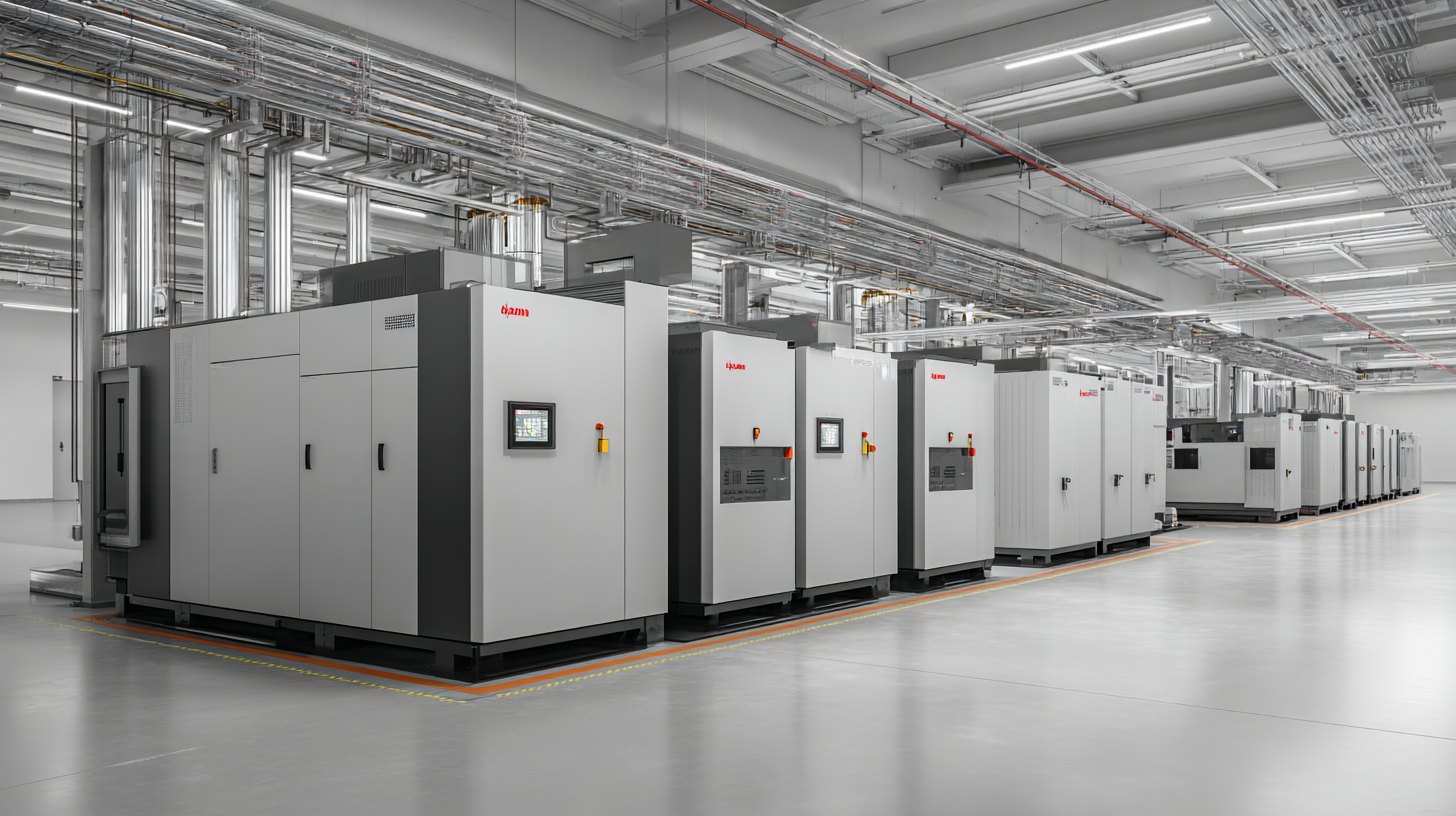 Keeping an eye on energy usage in real-time is pretty much essential if you want your Building Management System (BMS) to run at its best. Setting up a continuous monitoring system gives facility managers a real edge—they can see how energy gets used day-to-day and spot areas where things could be better. It’s really about making smarter decisions and being able to fix inefficiencies on the fly.
Tip 1: Get comfortable with advanced analytics tools—it’s amazing what real-time data can do. Using predictive analytics, for example, can help you get ahead of energy demands and make smarter choices about how you allocate resources. Looking at historical data can reveal patterns over time, helping you tweak things for big energy savings.
Tip 2: Don't forget about IoT devices—they’re a game-changer. Smart sensors placed throughout your building can track energy use down to the tiniest detail. This way, you can identify those energy-hungry appliances or systems and focus your efforts where they count. The more granular the data, the better your energy management strategies will be.
Tip 3: Make sure you have a solid system for regular reporting on energy performance. Checking your progress regularly keeps everyone on their toes and shows what’s actually working. Using dashboards to visualize key performance indicators (KPIs) makes it easier to spot trends and make decisions based on facts—pushing your BMS towards peak efficiency.
Leveraging Data Analytics for Optimal Energy Usage Insights
In today’s world where everyone’s really focused on saving energy, using data analytics to get the most out of your Building Management System (or BMS, if you wanna keep it casual) is pretty much essential. When facility managers bring in some fancy analytics tools, they can actually make sense of all that operational data—kind of like having a chat with your building’s brain! This means they can keep an eye on energy use in real-time, spot where things aren’t so efficient, and figure out what’s really going on. For example, analytics might show when energy use peaks or suggest tweaks for HVAC systems—like turning things up or down only when you really need to, which saves energy and money.
On top of that, predictive analytics comes into play. It’s like having a crystal ball that helps forecast what energy demand might look like down the line, so managers can adjust resources ahead of time. This not only cuts down on energy bills but also helps keep our planet a little happier. Thanks to machine learning algorithms, the BMS can learn from past data, adapt to new situations, and make smarter decisions over time. All of this means facility managers are better equipped to make their buildings more energy-efficient, hit their sustainability targets, and keep occupants comfy—all while trimming operational costs. Pretty cool, right?
Case Studies: Successful BMS Energy Management Optimizations
When we look into successful energy management with Building Management Systems (BMS), it’s pretty eye-opening to see what some real-world examples have achieved. Take a smart office building in Toronto, for instance. They used advanced analytics to keep an eye on how energy is being used around the clock. By tapping into real-time data, the team could spot inefficiencies and tweak their HVAC schedules on the fly. The result? They sliced their energy costs by an impressive 20%. Not too shabby, right?
Here are a couple of tips if you’re serious about getting the most out of your BMS. First off, don’t skip those thorough energy audits—they’re a great way to find areas that need improvement. And keep an eye on system performance regularly. Not only does this help boost efficiency, but it also keeps you in line with energy regulations. Oh, and involving your staff really makes a difference. Running awareness programs that teach folks about simple ways to save energy can help foster a really positive, sustainability-focused vibe inside the company.
There’s also this other case where a retail chain bolstered their BMS by adding IoT devices. This smart move meant they could better control lighting and climate based on customer foot traffic and activity—it’s like they made their store smarter about when and how to use energy. This not only cut down their consumption significantly but also made shopping more pleasant for customers. If you want to do something similar, investing in tech that automatically adjusts settings based on real-time info seems like a no-brainer. It’s really about staying one step ahead when it comes to energy management, you know?
Future Trends in Building Management Systems and Energy Efficiency
Looking ahead at Building Management Systems, or BMS for short, it’s pretty clear that energy efficiency is going to be a big deal in shaping our cities. The tech behind BMS is evolving rapidly, and soon we’ll see smarter features like AI and machine learning that can really dig into how energy gets used — all in real-time. This means building managers won’t just be reacting to issues but actually predicting maintenance needs and fine-tuning energy use on the fly. It’s all about creating smarter, more sustainable spaces. It’s not just about wasting less energy anymore; it’s about using data to make environments that respond to their needs and use resources more wisely.
And on top of that, we’re likely to see more integration of renewable energy sources — think solar panels — directly into these systems. Future BMS will probably have slick interfaces that bring together traditional energy data with real-time solar energy production info. That kind of setup will let buildings not only see how much energy they need but also adapt their consumption depending on how much solar power they’re generating. The goal is to strike a good balance between keeping things running smoothly and being kind to the planet. Essentially, energy management will become a more dynamic, ever-evolving process, shaped by technological progress and the ebb and flow of renewable energy supply.
FAQS
: Data analytics enables facility managers to monitor energy consumption patterns in real-time, identify inefficiencies, and make optimal adjustments to systems like HVAC to reduce energy waste.
Predictive analytics forecasts potential energy demands, allowing for proactive energy load management and resource adjustments, which help reduce costs and minimize environmental impact.
A case study from a smart office building in Toronto showed a 20% reduction in energy costs after implementing advanced analytics to optimize HVAC schedules based on real-time data.
Conducting thorough energy audits, regularly assessing system performance, and engaging employees through awareness programs are essential steps for effective energy management.
By integrating IoT devices, the retail chain improved control over lighting and climate systems based on customer activity, resulting in decreased energy usage and an enhanced shopping experience.
Future BMS will likely incorporate advanced AI and machine learning, focus on predictive maintenance, and integrate renewable energy sources, enhancing responsiveness and operational efficiency.
Integrating renewable energy like solar panels will allow buildings to adjust their energy consumption based on real-time renewable energy availability, supporting both efficiency and environmental responsibility.
Educating employees about energy-saving practices fosters a culture of sustainability within the organization, leading to more effective energy management.
Upcoming advancements include the use of seamless interfaces that combine traditional energy usage data with real-time renewable energy metrics for optimized energy management.
Machine learning algorithms analyze historical data to enable BMS to adapt to changing conditions, making informed decisions that improve operational efficiency and energy optimization.
Conclusion
If you're looking to boost how efficiently your building operates, paying attention to how the Building Management System (BMS) handles energy is a total game changer. In this post, I’ll walk you through some practical strategies to make BMS energy management smoother and more effective. We’ll emphasize smart tech integrations that can really make a difference in saving energy. Things like real-time energy monitoring and using data analytics are super important—they give you the insights you need to use energy wisely and cut down waste.
We'll also look at real-world examples where buildings have successfully optimized their BMS energy management, so you can see exactly how these ideas work in practice and the kind of improvements they can bring. Plus, I’ll share some sneak peeks into what’s coming next in building management tech—things that will keep pushing energy efficiency even further. Since DEKASYS specializes in smart I/O system solutions, our goal here is to help companies like yours take their BMS to the next level—making operations more sustainable, efficient, and just plain smarter.