In today’s fast-changing industrial world, keeping Remote Io operations running smoothly has become a pretty big deal for companies looking to boost efficiency and cut costs. I mean, a report from Markets and Markets actually predicts that the global Remote IO market will hit around USD 12.9 billion by 2026 — that’s a solid growth at about 6.5% annually. As industries jump on the automation train and lean into smart manufacturing, companies like DEKASYSare really leading the charge. They focus on creating cutting-edge Remote Io Modules that are both smart and reliable. DEKASYS’s goal is to offer solutions that help farms and factories operate more intelligently, making everything more streamlined. If businesses can leverage new ways to fine-tune theirRemote IO operations, they’ll be able to stay ahead of the game, even as everything around us gets more connected and complex.

In today’s world of remote IoT operations, setting up a strong framework is pretty much essential if you want to boost efficiency and cut down costs. According to a McKinsey report, companies that get their remote operations right often see their operational expenses fall by about 20 to 30 percent. So, when building this kind of setup, it’s smart to focus on integrating cutting-edge tech like IoT gadgets and AI-powered analytics. These tools let you monitor things in real-time and do predictive maintenance, which means smarter decisions and less downtime overall.
Oh, and don’t forget about the team side of things. Building a culture of collaboration and providing proper training can really make a difference. A Gartner survey showed that around 74% of organizations believe improving remote collaboration tools actually leads to better efficiency. Regular training on these platforms can really empower teams—making sure everyone’s on the same page, even if they’re working from different places. When you combine tech adoption with good team engagement, you’re basically creating a sturdy, adaptable remote IoT operation that helps your business grow and stay optimized over the long run.
In today’s world of remote Internet of Things (IoT) operations, it’s super important to use the right tech to make things run smoother and boost overall efficiency. One pretty solid approach is to go with cloud-based platforms—they let you store and access data in real-time, no matter where you are. Plus, these platforms make it way easier for remote teams to work together and come with powerful tools to track how everything’s performing. That way, it’s simpler to spot areas where things could be better.
A quick tip: invest in reliable cloud solutions that can grow with you and keep your data safe. Ideally, pick platforms that play nicely with your existing systems—this way, switching over isn’t a headache, and your work stays uninterrupted.
On top of that, adding IoT gadgets can seriously level up your operations by automating tasks and giving you real-time insights. For example, sensors that check on equipment health can help you predict maintenance needs, which cuts down on downtime and saves you money on repairs.
Pro tip: go for IoT devices that are easy to connect and simple to use. Also, don’t forget to keep your device firmware and software updated — it not only unlocks new features but also keeps your system secure, so everything stays efficient and protected.
| Technology | Purpose | Efficiency Gain (%) | Cost Reduction (%) | Implementation Time (Months) |
|---|---|---|---|---|
| Cloud Computing | Data storage and processing | 25% | 15% | 3 |
| IoT Devices | Real-time monitoring | 30% | 20% | 4 |
| Data Analytics | Performance optimization | 40% | 25% | 2 |
| Artificial Intelligence | Automated decision-making | 35% | 18% | 6 |
| Cybersecurity Solutions | Protection of data and operations | 15% | 10% | 5 |
Managing remote teams in Io operations definitely comes with its own set of challenges, but honestly, it also opens up some pretty great opportunities for boosting efficiency and saving costs. One thing that really helps is setting up solid communication channels. Tools like Slack or Zoom are a lifesaver—they make it easy to check in regularly, share updates, and keep everyone in the loop. Having a regular meeting schedule also keeps things on track and makes sure everyone stays accountable and focused, so miscommunications don’t slow things down.
Another key point is building a culture based on trust and giving folks the freedom to own their work. When team members feel trusted and empowered to make decisions, they tend to be way more engaged and productive. Leaders should encourage initiatives that let remote staff show what they’re capable of. It’s all about creating an environment where everyone’s input is valued. Plus, offering opportunities for professional growth—like webinars or training—can really keep motivation high and skills sharp. When companies invest in their remote teams’ development, they not only run more smoothly but also manage to cut costs without sacrificing quality.
In today’s crazy fast world of digital everything, nailing down how to run remote Io operations smoothly is a big deal if your goal is to boost efficiency and save some serious cash. One of the best places to start is by picking the right tools—stuff that’s budget-friendly but gets the job done. Using platforms like Slack or Microsoft Teams can really make a difference; they help teams chat in real-time, share files easily, and stay connected without everyone having to be in the same room or pile up on physical resources.
And let’s not forget project management tools like Trello or Asana. These can totally change the way your team handles tasks. They bring clarity and keep everyone accountable so nobody drops the ball. Having everything in one place means less time messing around with emails or endless meetings, freeing up more resources for the really important projects. Investing in these affordable digital solutions isn’t just about making collaboration easier—it’s about creating a productive vibe that can save a ton of time and money in the long run.
When you're working on optimizing remote Io operations, one thing you definitely don’t want to skip is measuring how you're doing. Setting up key performance indicators (KPIs) can really shed some light on how efficient and effective your processes are. For example, keeping an eye on system uptime is pretty important — if it’s high, that usually means your remote setup’s pretty dependable. It’s a good idea to check this regularly so you can catch any downtime early and fix it before it becomes a bigger problem.
Another key metric to consider is the operational cost per unit. Basically, looking at how much it costs to produce each unit remotely helps you see where you might be wasting resources. Encouraging your team to lean into more efficient ways of working can really make a difference too.
And don’t forget about customer satisfaction scores—they’re a pretty solid indicator of how well your remote operations are really performing. A simple survey can give you some honest feedback, letting you see what’s working and what’s not. Responding quickly to customer questions and concerns can seriously boost the overall quality of your service. Taken together, these KPIs give you a well-rounded picture of your remote Io operations, helping you become more efficient and cut costs along the way.
In today’s world of industrial and building automation, making sure remote I/O operations run smoothly is super important if you want to boost efficiency and cut down costs. But, let’s be real—security is a big deal here. As more systems get connected, the risk of cyber threats becomes a real concern. Protecting remote I/O modules means putting solid encryption measures in place, keeping software up-to-date, and controlling who has access — all to keep sensitive data safe and ensure everything runs without a hitch.
Here at DEKASYS, we totally get that hitting those production targets efficiently and intelligently isn’t just about fancy tech—it’s also about security. That’s why our remote I/O modules come with built-in security features designed to not only make things run better but also to guard against vulnerabilities. By choosing our solutions, companies can feel confident managing their automation setups, knowing they’re shielded from potential threats. It’s all about finding that right balance—making the system efficient without compromising security—so businesses can grow sustainably in this tough industrial landscape.
This chart illustrates the optimization of remote Io operations across four key metrics: Efficiency, Cost Savings, Security Risks, and Operational Flexibility. The values represent a score from 1 to 10, where higher scores indicate better performance or lower security risks.
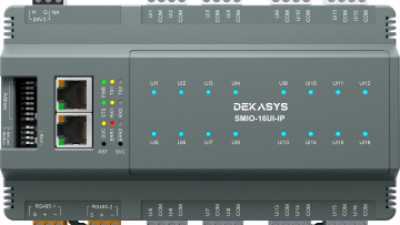
In the realm of smart automation solutions, efficient data collection and control are paramount. The DEKASYS 16-point Remote IO Module, SMIO-16UI-IP, stands out as a pivotal device to enhance operational efficiency across various industries. With support for both Bacnet And Modbus protocols, this module streamlines the integration of digital and analog signals into central monitoring systems, facilitating real-time data management and decision-making.
According to a recent industry report by Markets and Markets, the global industrial automation market is expected to reach $296 billion by 2026, driven by the need for operational efficiency and productivity. The ability of the SMIO-16UI-IP to handle 16 universal inputs makes it an ideal choice for applications in industrial automation, building management, energy monitoring, and environmental control. This versatility not only aids in optimizing resource utilization but also promotes sustainability efforts, which are becoming increasingly important in a rapidly evolving market landscape.
Moreover, with the rising trend of IoT (Internet of Things) adoption—projected to surpass 30 billion connected devices by 2025—the integration of smart devices like the SMIO-16UI-IP becomes crucial. By offering reliable and efficient data communication, this module empowers organizations to harness the full potential of automation technologies, ultimately leading to smarter, more resilient systems that can adapt to changing operational demands.
: Implementing cloud-based platforms for real-time data storage and access, alongside incorporating IoT devices for automation and accurate insights, can significantly enhance efficiency.
Cloud platforms facilitate easier collaboration among remote teams and provide powerful analytical tools to monitor performance and identify improvement areas.
Businesses should seek robust, scalable, and secure cloud solutions that integrate well with existing systems to ensure a seamless transition and minimal workflow disruptions.
IoT devices can automate tasks and provide real-time insights, such as using sensors for monitoring equipment health and enabling predictive maintenance, which reduces downtime and maintenance costs.
Tools like Slack or Microsoft Teams for communication, and project management software such as Trello or Asana, can streamline remote collaboration and reduce overhead costs.
Project management software centralizes task management, ensures transparency and accountability, and aligns team members with project goals and deadlines, minimizing unnecessary communication.
The reliance on interconnected systems increases the risk of cyber threats; hence, implementing robust encryption protocols, regular software updates, and stringent access controls is essential.
Companies can secure their remote IO modules by utilizing advanced security features, enforcing strict access controls, and consistently updating software to safeguard sensitive data.
Achieving a balance between efficiency and security is essential for sustainable growth, ensuring operations are optimized while protecting against emerging security threats.
As the industrial landscape keeps changing rapidly, optimizing Remote IO operations becomes more important than ever. It’s all about boosting efficiency and cutting costs, right? In this blog, I’ll walk you through a solid framework to set up effective Remote IO—focusing on some key strategies like bringing in advanced tech that simplifies your processes and gives remote teams a real boost.
We’ll also cover best practices for managing remote crews, plus highlight some budget-friendly tools and software that make collaboration a breeze. And of course, security is a big deal—keeping operations safe while still being smooth and efficient. With DEKASYS’s commitment to smart IO solutions, your company can nail these challenges and hit those production targets without breaking a sweat.
So, if you're looking to get a handle on remote operations and really make them work for you, this is the stuff you need to know.