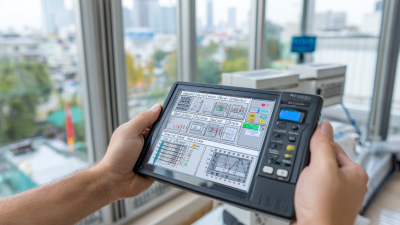
Hey, have you noticed how IoT is really shaking up Building Management Systems (BMS)? It’s honestly changing the game for businesses, making everything way more efficient and performance-driven. I came across a recent report from MarketsandMarkets — they’re saying the worldwide market for IoT in BMS is expected to skyrocket from around $25.6 billion in 2020 up to a whopping $75.5 billion by 2025. That’s like a 24.4% compound annual growth rate—pretty impressive, right? The big driver here is the growing demand for smart buildings that can monitor and control stuff like HVAC, lighting, and security automatically and in real-time. DEKASYS, by the way, is doing some cool things in this space, especially with their remote Io Modules.

They’re really leading the charge by offering smart solutions that help companies become more efficient and push their productivity even further. When organizations tap into IoT-powered BMS, they can cut down on energy waste, lower operational costs, and just run smoother overall. Honestly, it’s a step towards a more sustainable future, and I think we’re just getting started with all the possibilities.
The Growing Significance of IoT in Building Management Systems
You can’t really underestimate how important IoT is becoming in Building Management Systems these days, especially as cities around the world are turning into smart urban hubs. More and more companies are jumping on the IoT bandwagon, and it’s no joke—the global IoT market is expected to skyrocket from around $714 billion in 2024 to over $4 trillion by 2032. That’s a compound annual growth rate of about 24.3%! Crazy, right? This huge growth really shows how vital IoT is for making buildings more efficient, effective, and sustainable.
On top of that, there’s a big surge in demand for smart energy management systems, mainly because everyone’s pushing to go greener. Experts forecast that smart city infrastructure will become essential in optimizing energy use and cutting down waste, which, in turn, boosts operational efficiency across the board. If you’re in the field, you should definitely think about adding predictive maintenance sensors to your BMS—they’re expected to grow a lot and will help make building systems more reliable and last longer.
A couple of tips? Use IoT analytics to keep a close eye on your energy consumption patterns—it’s a great way to spot where you can improve. Also, opt for scalable IoT solutions so you’re not stuck in the past as technology progresses. And don’t forget to stay on top of new regulations and sustainability goals—these will directly impact your operational plans in the coming years.
Understanding Key Efficiency Metrics Influenced by IoT Integration
You know, integrating the Internet of Things (or IoT for short) into Building Management Systems has really changed the game when it comes to how we measure and improve operational performance. I came across a report from McKinsey that says, with IoT in the mix, facility management can be up to 30% more efficient — that’s a pretty huge leap! The secret sauce is all about real-time data: it lets managers make smarter decisions on the fly, whether that’s saving energy, cutting costs, or just running things more smoothly. Things like energy use per square foot, how well HVAC systems are performing, and even how fast maintenance gets done are all seeing major improvements thanks to IoT monitoring.
Plus, a study by Deloitte points out that companies using IoT in their building management are saving around 20 to 25% on maintenance costs. The key? Predictive maintenance — pretty much catching issues before they turn into big problems. And it’s not just about saving money; occupant comfort and satisfaction are also on the rise. In fact, about 70% of employees say they’re happier working in these smarter, tech-enabled spaces. So overall, bringing IoT into BMS isn’t just about efficiency — it’s about creating a better, more comfortable environment for everyone, which really boosts productivity and employee happiness.
Industry Statistics Highlighting ROI of IoT-Enabled BMS Solutions
You know, integrating Internet of Things (IoT) tech into Building Management Systems (BMS)is really changing the game when it comes to how buildings operate. It's pretty exciting because, lately, we've seen the whole market for Building Automation Systems shoot up—going from around$88 billion in 2023 to an estimated $156 billion by 2030. That growth shows just how much folks are craving smart, IoT-enabled solutions to make building management more efficient. A big part of this leap is thanks to cheaper sensors and better low-power networks that help cut down energy costs, which is a win-win for everyone.
And get this—by 2025, the smart building scene is expected to hit roughly $122 billion. That’s pretty impressive, especially considering how companies are starting to realize the real value behind eco-friendly tech. Using IoT in smart buildings isn’t just about saving energy; it’s also about keeping tenants happy and staying ahead of new rules and regulations. For example, some clever projects have managed to cut energy demand by a whopping 76%. So, really, jumping on the IoT bandwagon isn’t just an upgrade; it’s a smart move for building a future-proof infrastructure that pays off in the long run.
Case Studies: Successful IoT Implementations Transforming Operational Performance
You know, integrating Internet of Things (IoT) tech into Building Management Systems (BMS) is really changing the game across tons of industries. I’ve seen some case studies where companies that actually put IoT to work aren’t just trying to be more efficient—they’re also slashing costs pretty significantly. Like, there was this one smart facility management firm that set up IoT sensors to keep an eye on energy use in real-time, and guess what? They managed to cut operational costs by about 30% within just the first year. Pretty impressive, right?
If businesses want to really get the most out of IoT in their BMS, it’s all about choosing the right sensors and making sure their data analysis tools are up to snuff. It’s smart to evaluate what the building actually needs—the specific systems and functions—so that the IoT solutions actually match the company’s goals. And don’t forget, regular maintenance of these IoT devices is super important, too. Keeping everything in good shape means your data stays reliable and the tech keeps running smoothly.
Then there’s this retail chain I read about—they used IoT to better manage their HVAC systems. By programming their system to respond to real-time foot traffic data, they could keep their customers comfortable and also cut down on energy use. That’s a clever move, you know? Businesses can totally copy this approach by using predictive analytics to tweak operations on the fly. It’s all about being more responsive and efficient when it comes to managing facilities.
Unlocking Efficiency: How IoT in BMS Enhances Operational Performance
| Case Study | Industry | IoT Solutions Implemented | Operational Improvement | ROI (%) |
| Manufacturing Plant A | Manufacturing | Predictive Maintenance, Sensor Networks | Reduced downtime by 30% | 150% |
| Logistics Company B | Logistics | Fleet Management, Route Optimization | Improved delivery times by 25% | 120% |
| Healthcare Facility C | Healthcare | Asset Tracking, Environmental Monitoring | Enhanced patient care and safety | 200% |
| Retail Chain D | Retail | Smart Shelving, Customer Insights | Increased sales per square foot by 15% | 180% |
Challenges and Solutions in IoT Adoption for Effective BMS Management
 Adopting Internet of Things (IoT) in Building Management Systems (BMS) is definitely a game-changer, but it comes with its fair share of challenges that organizations really need to tackle if they want to see real improvements in how they operate. One of the big hurdles is getting existing systems to play nicely with new IoT tech. Sometimes, those old-school systems just don’t talk the same language, which can lead to data silos and all sorts of inefficiencies. So, a good first step is to do a thorough review of what’s already in place and come up with a solid plan for integrating everything smoothly—making sure all parts can work together without a fuss.
Then, there’s the whole security thing. With everything connected now, the risk of cyber attacks bumps up, and that can put sensitive data at risk. To stay safe, organizations should invest in strong security measures like encryption and regular security check-ups. Plus, training staff on good cybersecurity habits isn’t a bad idea either—it can really make a difference in keeping the system secure.
If you’re thinking about jumping into IoT, my tip is to start small—maybe run a pilot project in a specific area to see how things go. This way, you get some quick wins, which boost confidence and give you real insights that can be scaled up later. Also, fostering a sense of teamwork between the IT folks and operations teams makes a huge difference. When everyone’s on the same page, rolling out IoT solutions in BMS becomes a lot smoother and more successful.
Future Trends: How IoT Will Shape the Next Generation of Building Efficiency
You know, the way the Internet of Things (IoT) is being woven into Building Management Systems (BMS) really feels like it's about to change the game when it comes to how buildings operate. I’ve seen reports lately that say the global market for IoT in building automation is expected to double — from around $45 billion in 2023 to nearly $90 billion by 2028. That’s basically a clear sign that connected systems are a huge deal right now. What’s behind this boom? Well, with tech breakthroughs like AI and edge computing getting better all the time, buildings can process data more quickly, making smarter, real-time decisions. That means lower energy bills and reduced operational costs, which is pretty awesome in my book.
Looking ahead, it’s not just about IoT alone. Combining it with new-generation data centers is going to take these efficiency improvements even further. Edge computing, for example, lets buildings analyze data right where it happens — reducing delays and making systems respond faster. Plus, as everything gets more connected, green tech — like really advanced semiconductors — becomes super important. In fact, some reports suggest that better semiconductor tech could trim energy use in buildings by up to 30%. It’s pretty exciting to think about how these innovations are paving the way for smarter, more sustainable buildings down the line.

FAQS
: The global IoT market is projected to expand dramatically, growing from $714.48 billion in 2024 to an estimated $4.06234 trillion by 2032, reflecting a compound annual growth rate (CAGR) of 24.3%.
IoT enhances operational performance by improving efficiency, enabling intelligent energy management, facilitating predictive maintenance, and optimizing energy usage which leads to cost reductions.
Predictive maintenance sensors significantly enhance the reliability and lifespan of building systems by enabling proactive maintenance and reducing unexpected failures.
One example is a smart facility management company that implemented IoT sensors to monitor energy usage, achieving a 30% decrease in operational costs within the first year.
Key challenges include integrating existing legacy systems with new IoT technologies and ensuring data security against potential cyber threats.
Organizations can mitigate data security risks by implementing robust security protocols like encryption, conducting regular security audits, and training staff on cybersecurity best practices.
A recommended strategy is to start with a pilot project, focusing on areas where IoT can deliver quick wins, while fostering collaboration between IT and operational teams.
Regular maintenance ensures that the data collected remains accurate and that the technology continues to function optimally, which is crucial for effective building management.
Organizations should evaluate the specific needs of their buildings to ensure that the chosen IoT solutions align with their organizational goals.
IoT analytics can help monitor energy consumption patterns regularly, allowing organizations to identify areas for improvement and optimize operational efficiency.
Conclusion
In today’s pretty fast-moving world, the way IoT is being integrated into Building Management Systems (or BMS) is really changing how buildings are run. This post dives into why IoT is becoming such a big deal for BMS, especially when it comes to key efficiency metrics that show how much better things are running. We’ll look at some industry stats to prove the solid return on investment with IoT-enabled BMS, plus share real-life examples where these solutions have totally transformed operational setups.
Of course, adopting IoT for managing BMS isn’t without its hurdles, but new, innovative tools are popping up all the time to make the process smoother. Looking ahead, it’s pretty clear that future trends in IoT will shape the next wave of building efficiency—making it more important than ever for companies to jump on board. At DEKASYS, we’re all about creating smart, efficient IO system solutions that work hand-in-hand with the transformative power of IoT. Our goal? Helping organizations hit their automation and production targets with ease.